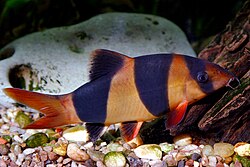
Missing scales in Clown Loaches can be a sign of stress, disease, or poor water conditions. This issue can be serious if not addressed promptly, as it can lead to secondary infections. Owners should first ensure the tank conditions are optimal and observe for other signs of stress or illness.
Clown Loach Missing Scales: Common Causes
Poor Water Quality
Most LikelyHigh ammonia or nitrite levels can stress the fish and lead to scale loss.
Dietary Deficiencies
PossibleInadequate nutrition, particularly lack of essential fatty acids, can cause scales to thin and fall off.
External Parasites
PossibleParasites like ich or flukes can cause scales to be eaten away or fall off.
Fungal Infections
PossibleFungal infections can cause scales to be damaged and fall off, often accompanied by other symptoms like fin rot.
Stress
Less CommonStress from tank mates, overcrowding, or sudden changes in water parameters can lead to scale loss.
How to Diagnose the Cause
Follow these steps in order. Stop when you identify a likely cause and move to treatment.
- Inspect the tank for signs of poor water quality, such as cloudy water or visible algae.
Use a water test kit to check ammonia, nitrite, and nitrate levels.
Recommended: Water test kit - Evaluate the fish's diet and ensure it is balanced with a variety of foods, including high-quality flake food and live or frozen foods.
Consider adding supplements like omega-3 fatty acids if the diet is lacking.
- Look for external parasites or signs of fungal infections, such as white spots or cottony growths.
Use a magnifying glass to closely inspect the fish's body.
Recommended: Magnifying glass - Observe the fish's behavior and tank mates for signs of aggression or stress.
Ensure the tank is appropriately sized for the number of fish and that there are no aggressive tank mates.
- Check for any recent changes in the tank, such as new decorations or plants, which could be causing stress.
Gradually introduce new items to the tank to avoid sudden changes.
How to Treat Clown Loach Missing Scales
- Improve water quality by increasing water changes, using a water filter, and maintaining appropriate water parameters.
Ensure the tank is well-aerated and the filter is functioning properly.
- Adjust the fish's diet to include high-quality, well-balanced foods and consider adding omega-3 supplements.
Feed the fish a varied diet to ensure proper nutrition.
- Treat for external parasites with appropriate medications, following the manufacturer's instructions.
Isolate the affected fish if necessary to prevent the spread of parasites.
- Treat for fungal infections with antifungal medications, following the manufacturer's instructions.
Isolate the affected fish if necessary to prevent the spread of the infection.
- Reduce stress by ensuring the tank is well-maintained and the fish have adequate space and appropriate tank mates.
Remove any aggressive tank mates and provide hiding spots for the fish to feel secure.
How to Prevent Clown Loach Missing Scales
When to See a Vet
🔬 AI Symptom Checker
Not sure what's wrong? Describe your fish's symptoms to the FishCare AI and get an instant diagnosis.
Check Symptoms →Frequently Asked Questions
This guide was reviewed for biological accuracy and practical aquarium care guidance. Always test water parameters before treating a sick fish — poor water quality is the most common root cause. Consult an aquatic veterinarian if symptoms persist after 48 hours of correct treatment.
Sources: Merck Veterinary Manual — Aquarium Fishes · UF/IFAS Extension — Fish Health Management