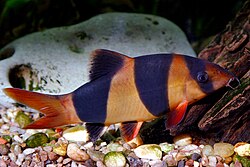
Losing color in Clown Loach can be a sign of stress, disease, or poor water conditions. It's crucial to identify the root cause promptly as it may lead to more serious health issues. Understanding the water parameters, diet, and social dynamics is key in addressing this problem effectively.
Clown Loach Losing Color: Common Causes
Poor Water Quality
Most LikelyHigh ammonia or nitrite levels can stress the Clown Loach, leading to color loss.
Dietary Deficiencies
PossibleA diet lacking in variety or essential nutrients can cause color fade in Clown Loach.
Stress or Aggression
PossibleSocial stress or aggression from tankmates can cause color loss as a stress response.
Internal Parasites
Less CommonParasitic infections, though less common, can lead to color loss in Clown Loach.
Genetic Factors
Less CommonSome Clown Loach may naturally exhibit less vibrant colors, especially if they are not well-bred.
How to Diagnose the Cause
Follow these steps in order. Stop when you identify a likely cause and move to treatment.
- Check the water parameters including ammonia, nitrite, and nitrate levels.
Ensure they are within the ideal range for Clown Loach.
Recommended: Water testing kit - Observe the fish's behavior and interaction with tankmates.
Note signs of stress, aggression, or illness.
- Inspect the fish for external parasites or sores.
Gently examine the body for any abnormalities.
- Review the diet to ensure it is varied and nutrient-rich.
Include high-quality flake food, live or frozen food, and occasional vegetables.
- Assess the tank's social environment and water conditions for signs of stress.
Consider if the tank size or tankmates are too aggressive.
How to Treat Clown Loach Losing Color
- Improve water quality by increasing water changes and removing any sources of pollution.
Maintain the ideal water parameters as per the Clown Loach's needs.
- Adjust the diet to ensure it is balanced and includes a variety of foods.
Provide a mix of flake food, live, and frozen foods to enrich their diet.
- Implement stress-reducing measures such as hiding spots or rearranging the tank layout.
Ensure there are enough territories and hiding spots for each fish.
- Consider treatment for internal parasites if parasites are confirmed.
Use appropriate medication as advised by a veterinarian.
- Monitor the fish closely for any improvement or recurrence of symptoms.
Regular observation is essential to assess the effectiveness of treatments and address any new issues promptly.
How to Prevent Clown Loach Losing Color
When to See a Vet
🔬 AI Symptom Checker
Not sure what's wrong? Describe your fish's symptoms to the FishCare AI and get an instant diagnosis.
Check Symptoms →Frequently Asked Questions
This guide was reviewed for biological accuracy and practical aquarium care guidance. Always test water parameters before treating a sick fish — poor water quality is the most common root cause. Consult an aquatic veterinarian if symptoms persist after 48 hours of correct treatment.
Sources: Merck Veterinary Manual — Aquarium Fishes · UF/IFAS Extension — Fish Health Management