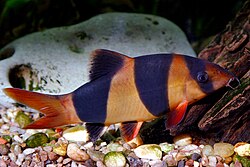
Jumping out of the tank is an emergency for Clown Loaches, as it can lead to injury or death. This behavior often indicates stress or discomfort, and immediate attention is crucial. Understanding the underlying cause is vital for effective management.
Clown Loach Jumping Out of Tank: Common Causes
Water Quality Issues
Most LikelyPoor water quality, including high ammonia or nitrite levels, can stress the fish and trigger jumping.
Insufficient Oxygen
Most LikelyLow dissolved oxygen levels can cause Clown Loaches to jump for air, especially in densely populated tanks.
Poor Tank Conditions
Most LikelyOvercrowding, aggressive tankmates, or inadequate hiding spots can lead to stress and jumping.
Dietary Imbalance
PossibleAn unbalanced diet or lack of certain nutrients can cause health issues that lead to stress and jumping.
Environmental Changes
Less CommonSudden changes in water parameters, tank decorations, or lighting can stress the fish and trigger jumping.
How to Diagnose the Cause
Follow these steps in order. Stop when you identify a likely cause and move to treatment.
- Check water parameters using a test kit for ammonia, nitrite, nitrate, pH, and temperature.
Ensure the water quality meets the optimal range for Clown Loaches.
Recommended: Water test kit - Observe the fish's behavior and appearance for signs of disease or injury.
Look for any visible health issues that might be causing stress.
- Assess the tank conditions, including tankmates, decorations, and lighting.
Ensure the tank provides adequate space, hiding spots, and a stable environment.
- Review the fish's diet and consider any recent changes.
Ensure the diet is balanced and meets the nutritional needs of Clown Loaches.
- Check for any signs of environmental stress, such as sudden changes in water parameters or tank setup.
Gradual changes are better for Clown Loaches than sudden ones.
How to Treat Clown Loach Jumping Out of Tank
- Improve water quality by performing regular water changes and treating for ammonia or nitrite if necessary.
Maintain optimal water parameters for the health of your Clown Loach.
- Increase aeration or add an air stone to ensure adequate oxygen levels in the water.
Ensure the tank has sufficient oxygen for the fish to breathe comfortably.
- Reevaluate the tank setup, providing more space, hiding spots, and considering tankmates that are compatible with Clown Loaches.
Create a stress-free environment for your fish.
- Adjust the diet to ensure it is balanced and meets the nutritional needs of your Clown Loach.
A healthy diet can help prevent stress and jumping.
- Gradually adjust any environmental changes that may have caused stress, such as lighting or tank decorations.
Stable and consistent conditions are key to the well-being of Clown Loaches.
How to Prevent Clown Loach Jumping Out of Tank
When to See a Vet
🔬 AI Symptom Checker
Not sure what's wrong? Describe your fish's symptoms to the FishCare AI and get an instant diagnosis.
Check Symptoms →Frequently Asked Questions
This guide was reviewed for biological accuracy and practical aquarium care guidance. Always test water parameters before treating a sick fish — poor water quality is the most common root cause. Consult an aquatic veterinarian if symptoms persist after 48 hours of correct treatment.
Sources: Merck Veterinary Manual — Aquarium Fishes · UF/IFAS Extension — Fish Health Management