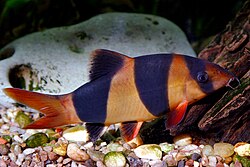
Curved or curled bodies in Clown Loaches are a critical sign of health issues, often indicating skeletal deformities or infections. This condition is urgent and requires immediate attention to prevent further complications. Owners should first ensure the tank's water parameters are optimal for the species.
Clown Loach Curled Body: Common Causes
Poor Water Quality
Most LikelyHigh ammonia, nitrite, or nitrate levels can cause stress and weaken the fish's immune system, leading to curved bodies.
Inadequate Diet
Most LikelyLack of essential nutrients or an unbalanced diet can lead to skeletal development issues and curved bodies.
Parasitic Infections
PossibleBacterial or parasitic infections can damage the fish's skeleton, causing it to curve or curl.
Genetic Disorders
Less CommonCongenital defects or genetic predispositions can cause skeletal deformities.
Stress
Less CommonChronic stress, such as from tank overcrowding or aggression, can lead to curved bodies as a coping mechanism.
How to Diagnose the Cause
Follow these steps in order. Stop when you identify a likely cause and move to treatment.
- Measure water parameters for ammonia, nitrite, nitrate, pH, and temperature
Ensure the tank's water is within the optimal range for Clown Loaches. Use test kits for accurate readings.
Recommended: Water test kit - Observe the fish's behavior and appetite
Changes in behavior or appetite can provide clues to the underlying cause.
- Inspect the fish for signs of injury or parasites
Look for any external signs of injury or parasites that could be contributing to the curved body.
- Review the fish's diet and feeding schedule
Ensure the diet is varied and includes a balance of protein, carbohydrates, and vitamins.
- Check for signs of internal issues
Look for bloating, loss of appetite, or other signs of internal health problems.
How to Treat Clown Loach Curled Body
- Improve water quality by performing regular water changes
Change 20-30% of the tank water weekly to maintain optimal water parameters.
- Adjust the diet to include high-quality, sinking pellets or tablets
Provide a balanced diet with a variety of nutrients to support healthy skeletal development.
- Administer anti-parasitic medication if a parasitic infection is suspected
Follow the instructions provided with the medication and monitor the fish's response.
- Consider the use of antibiotics for bacterial infections
Consult with a veterinarian for the appropriate antibiotic and dosage for the fish's size and condition.
- Reduce stress by ensuring adequate space, removing aggressive tank mates, and providing hiding spots
A stress-free environment can help the fish recover and prevent recurrence of the curved body condition.
How to Prevent Clown Loach Curled Body
When to See a Vet
🔬 AI Symptom Checker
Not sure what's wrong? Describe your fish's symptoms to the FishCare AI and get an instant diagnosis.
Check Symptoms →Frequently Asked Questions
This guide was reviewed for biological accuracy and practical aquarium care guidance. Always test water parameters before treating a sick fish — poor water quality is the most common root cause. Consult an aquatic veterinarian if symptoms persist after 48 hours of correct treatment.
Sources: Merck Veterinary Manual — Aquarium Fishes · UF/IFAS Extension — Fish Health Management