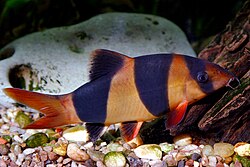
Bulging eyes, known as Popeye, in Clown Loaches is a serious condition that often indicates a severe underlying health issue. It can be life-threatening if not addressed promptly. Owners should be aware that this problem can stem from various causes, including infections, poor water quality, and nutritional deficiencies.
Clown Loach Bulging Eyes (Popeye): Common Causes
Bacterial Infection
Most LikelyCaused by harmful bacteria in the water, such as Aeromonas or Pseudomonas.
Poor Water Quality
Most LikelyHigh ammonia or nitrite levels can lead to stress and Popeye.
Nutritional Deficiencies
PossibleLack of essential nutrients, particularly vitamin C and omega-3 fatty acids, can cause Popeye.
Parasitic Infections
PossibleProtozoan parasites like Ichthyophthirius can cause Popeye in stressed fish.
Genetic Factors
Less CommonSome Clown Loaches may have a genetic predisposition to Popeye, especially in crowded or poor conditions.
How to Diagnose the Cause
Follow these steps in order. Stop when you identify a likely cause and move to treatment.
- Inspect the fish for other signs of disease, such as discoloration, fin damage, or lethargy.
This helps identify if there are other health issues contributing to the Popeye.
- Test the water parameters for ammonia, nitrite, and nitrate levels.
Ensure the water quality is within the optimal range for Clown Loaches.
Recommended: Water test kit - Perform a visual examination for external parasites or internal signs of disease.
Use a magnifying glass if necessary to spot parasites.
Recommended: Magnifying glass - Consider the fish's diet and recent changes in its environment.
Nutritional deficiencies or stress can trigger Popeye.
- If available, consult a veterinarian experienced with aquatic species for a professional diagnosis.
A vet can perform more advanced tests and provide specific treatment options.
How to Treat Clown Loach Bulging Eyes (Popeye)
- Improve water quality by performing regular water changes and maintaining optimal pH and temperature.
This helps reduce stress and supports the fish's immune system.
- Administer appropriate antibiotics or antiparasitic medications as prescribed by a veterinarian.
Medications should be tailored to the specific cause of the Popeye.
- Provide a well-balanced diet rich in vitamins and minerals, possibly including a vitamin C supplement.
This supports overall health and helps prevent recurrence.
- Ensure the tank is spacious and the fish have adequate hiding spots to reduce stress.
Stress can exacerbate Popeye and other health issues.
- Monitor the fish closely for signs of improvement or recurrence, adjusting treatment as needed.
Consistent care is crucial for recovery and prevention of future health issues.
How to Prevent Clown Loach Bulging Eyes (Popeye)
When to See a Vet
🔬 AI Symptom Checker
Not sure what's wrong? Describe your fish's symptoms to the FishCare AI and get an instant diagnosis.
Check Symptoms →Frequently Asked Questions
This guide was reviewed for biological accuracy and practical aquarium care guidance. Always test water parameters before treating a sick fish — poor water quality is the most common root cause. Consult an aquatic veterinarian if symptoms persist after 48 hours of correct treatment.
Sources: Merck Veterinary Manual — Aquarium Fishes · UF/IFAS Extension — Fish Health Management