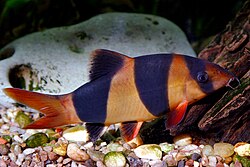
Bloated or swollen Clown Loaches are a critical sign of internal issues, often due to bacterial infections, blockages, or malnutrition. This is a serious condition that can lead to death if not treated promptly. Owners must understand that immediate action and veterinary care are necessary.
Clown Loach Bloated or Swollen: Common Causes
Bacterial Infections
Most LikelyCan lead to bloating and the pinecone effect due to internal swelling.
Blockages
Most LikelySwallowed objects or excessive waste can obstruct the intestines, causing bloating.
Malnutrition
PossibleInsufficient diet or improper feeding can lead to bloating and poor health.
Gastrointestinal Issues
PossibleParasites or other internal issues can cause bloating and digestive problems.
External Pressure
Less CommonSudden changes in water parameters or aggression can cause temporary bloating.
How to Diagnose the Cause
Follow these steps in order. Stop when you identify a likely cause and move to treatment.
- Examine the fish's overall condition
Check for other signs of illness like loss of appetite, clamped fins, or cloudiness in the eyes.
- Observe the fish's swimming and behavior
A bloated Clown Loach may swim in a erratic or zigzag pattern.
- Inspect the fish for external parasites or injuries
Use a magnifying glass if necessary.
Recommended: magnifying glass - Record the fish's water parameters
Ensure temperature, pH, and ammonia levels are within the appropriate range.
- Consider a fecal float to check for parasites
This can help identify gastrointestinal parasites.
How to Treat Clown Loach Bloated or Swollen
- Isolate the affected fish
Prevent the spread of infection to other tank inhabitants.
- Adjust water parameters if necessary
Maintain the appropriate temperature and pH range for Clown Loaches.
- Administer antibiotics as prescribed by a vet
Follow the vet's instructions regarding dosage and duration.
- Ensure a balanced diet
Provide high-quality, varied foods that are suitable for the Clown Loach's dietary needs.
- Regularly monitor the fish's health
Look for signs of improvement or worsening of the condition.
How to Prevent Clown Loach Bloated or Swollen
When to See a Vet
🔬 AI Symptom Checker
Not sure what's wrong? Describe your fish's symptoms to the FishCare AI and get an instant diagnosis.
Check Symptoms →Frequently Asked Questions
This guide was reviewed for biological accuracy and practical aquarium care guidance. Always test water parameters before treating a sick fish — poor water quality is the most common root cause. Consult an aquatic veterinarian if symptoms persist after 48 hours of correct treatment.
Sources: Merck Veterinary Manual — Aquarium Fishes · UF/IFAS Extension — Fish Health Management