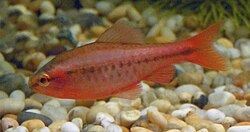
Ich in Cherry Barbs, caused by the寄生虫Ichthyophthirius multifiliis, can lead to rapid decline in health if not addressed promptly. These barbs are sensitive to water parameters and stress, making ich a serious threat. Owners should monitor water quality and tank conditions closely.
Cherry Barb White Spots (Ich): Common Causes
Poor Water Quality
Most LikelyHigh ammonia or nitrite levels can stress the fish, making them more susceptible to ich.
New Tank Syndrome
Most LikelyInitial ammonia spikes in a new tank can be lethal to sensitive fish like Cherry Barbs.
Inadequate Water Changes
Most LikelyNeglecting regular water changes allows harmful ammonia and nitrite to build up, increasing the risk of ich.
Introduction of Sick Fish
PossibleIntroducing an infected fish into the tank can spread ich to others.
Overcrowding
Less CommonCrowded tanks with poor water circulation can lead to stress and higher risk of ich.
How to Diagnose the Cause
Follow these steps in order. Stop when you identify a likely cause and move to treatment.
- Observe the fish for symptoms of ich, such as white spots or clamped fins.
Look for the characteristic salt-grain-like spots on the fish's body and fins.
Recommended: microscope - Check water parameters for ammonia, nitrite, and nitrate.
Ensure pH and temperature are within the recommended range for Cherry Barbs.
- Conduct a visual inspection of the tank for other signs of stress or disease.
Look for other indicators like loss of appetite or aggression.
- Isolate the affected fish if possible to prevent the spread of ich.
Use a separate tank with similar water conditions to keep the fish quarantined.
- Consider the tank's bio-load and recent changes to the environment.
Evaluate any recent additions or changes that could have stressed the fish.
How to Treat Cherry Barb White Spots (Ich)
- Perform frequent, 25-30% water changes daily to maintain water quality.
Use dechlorinated water to prevent further stress on the fish.
- Use an ichthyophthirius treatment specifically designed for Cherry Barbs.
Follow the treatment instructions carefully, as over-treatment can harm the fish.
- Increase the tank's temperature gradually to 28-30°C to help kill the parasites.
This can be done by using a water heater and a thermometer to monitor the temperature.
- Ensure adequate aeration to maintain good oxygen levels in the water.
Use air stones or powerheads to ensure proper water movement.
- Monitor the fish closely for signs of improvement or worsening condition.
Adjust treatment as needed based on the fish's response and water quality readings.
How to Prevent Cherry Barb White Spots (Ich)
When to See a Vet
🔬 AI Symptom Checker
Not sure what's wrong? Describe your fish's symptoms to the FishCare AI and get an instant diagnosis.
Check Symptoms →Frequently Asked Questions
This guide was reviewed for biological accuracy and practical aquarium care guidance. Always test water parameters before treating a sick fish — poor water quality is the most common root cause. Consult an aquatic veterinarian if symptoms persist after 48 hours of correct treatment.
Sources: Merck Veterinary Manual — Aquarium Fishes · UF/IFAS Extension — Fish Health Management