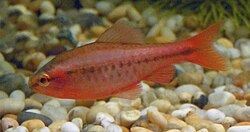
Excess mucus coating in Cherry Barbs is a serious condition often indicating a more severe underlying issue. It can be life-threatening if not addressed promptly. Owners should be aware that this condition is often a sign of stress or infection and requires immediate attention.
Cherry Barb Mucus Coating: Common Causes
Bacterial Infection
Most LikelyCommonly caused by poor water quality or stress, leading to weakened immune systems.
Fungus Infection
PossibleTypically caused by water quality issues or physical damage to the fish's skin.
Protozoan Infection
Less CommonRare but can be caused by improper water temperature or pH levels.
How to Diagnose the Cause
Follow these steps in order. Stop when you identify a likely cause and move to treatment.
- Observe the fish's behavior and appearance for signs of stress or injury.
Look for signs of aggression, loss of appetite, or changes in swimming patterns.
- Check the water parameters for ammonia, nitrite, and nitrate levels.
Ensure the water quality is within the optimal range for Cherry Barbs.
Recommended: Water test kit - Inspect the fish for any physical damage or parasites.
Use a magnifying glass to look for cuts, ulcers, or signs of parasites.
Recommended: Magnifying glass - Consider the fish's diet and recent changes in the tank environment.
Ensure the diet is balanced and any recent changes are gradual and stress-free.
- Consult with a vet specializing in fish health for a definitive diagnosis.
A vet can perform more advanced tests if necessary.
How to Treat Cherry Barb Mucus Coating
- Improve water quality by performing regular water changes and maintaining optimal temperature and pH levels.
Change 25-30% of the tank water weekly.
- Administer appropriate antibiotics or antifungal medications as prescribed by a vet.
Follow the vet's instructions for dosage and duration.
- Isolate the affected fish to prevent the spread of infection to other tank inhabitants.
Use a separate tank with similar water parameters.
- Ensure the fish is fed a balanced diet rich in vitamins and minerals to support immune function.
Offer high-quality fish food and consider supplements if necessary.
- Monitor the fish's progress and continue treatment until the vet advises it is safe to reintroduce to the main tank.
Regularly check for signs of improvement or recurrence of the condition.
How to Prevent Cherry Barb Mucus Coating
When to See a Vet
🔬 AI Symptom Checker
Not sure what's wrong? Describe your fish's symptoms to the FishCare AI and get an instant diagnosis.
Check Symptoms →Frequently Asked Questions
This guide was reviewed for biological accuracy and practical aquarium care guidance. Always test water parameters before treating a sick fish — poor water quality is the most common root cause. Consult an aquatic veterinarian if symptoms persist after 48 hours of correct treatment.
Sources: Merck Veterinary Manual — Aquarium Fishes · UF/IFAS Extension — Fish Health Management