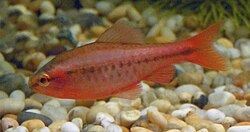
Losing color in Cherry Barbs can be distressing, but understanding the causes and proper care can help you address the issue effectively. This condition is often a sign of underlying health problems and requires immediate attention. As a beginner-friendly species, Cherry Barbs can be sensitive to changes in their environment and diet.
Cherry Barb Losing Color: Common Causes
Poor Diet
Most LikelyInadequate nutrition can lead to color loss in Cherry Barbs.
Stress
Most LikelyStress from tank overcrowding, aggression, or rapid water changes can cause color loss.
Water Quality Issues
Most LikelyImpaired water quality, such as high ammonia or nitrite levels, can stress and discolor Cherry Barbs.
Poor Water Temperature
PossibleExtremes in water temperature can lead to stress and color loss in Cherry Barbs.
Disease
Less CommonParasitic infections or bacterial diseases can cause color loss as a secondary symptom.
How to Diagnose the Cause
Follow these steps in order. Stop when you identify a likely cause and move to treatment.
- Observe the fish's behavior and appearance for any signs of injury or illness.
Look for any physical damage or other symptoms that might indicate a specific problem.
Recommended: magnifying glass - Check the water parameters for ammonia, nitrite, and nitrate levels.
Use a water test kit to ensure the water quality is within the optimal range for Cherry Barbs.
Recommended: water test kit - Monitor the tank's water temperature and pH levels to ensure they are stable and within the recommended range.
Use a reliable thermometer and pH test strips to confirm the conditions are appropriate for Cherry Barbs.
Recommended: thermometer, pH test strips
How to Treat Cherry Barb Losing Color
- Improve the diet by feeding a varied and balanced diet suitable for Cherry Barbs.
Provide high-quality flake food, pellets, and live or frozen foods to ensure proper nutrition.
- Reduce stress by ensuring adequate space, removing aggressive tankmates, and minimizing water changes.
Ensure there is enough swimming space and consider tank rearrangement or introducing compatible tankmates.
- Address water quality issues by performing regular water changes and using appropriate water treatments if necessary.
Change 20-30% of the water weekly and use dechlorinators if tap water is used.
How to Prevent Cherry Barb Losing Color
When to See a Vet
🔬 AI Symptom Checker
Not sure what's wrong? Describe your fish's symptoms to the FishCare AI and get an instant diagnosis.
Check Symptoms →Frequently Asked Questions
This guide was reviewed for biological accuracy and practical aquarium care guidance. Always test water parameters before treating a sick fish — poor water quality is the most common root cause. Consult an aquatic veterinarian if symptoms persist after 48 hours of correct treatment.
Sources: Merck Veterinary Manual — Aquarium Fishes · UF/IFAS Extension — Fish Health Management