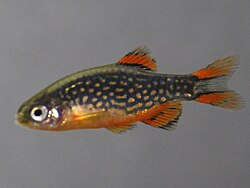
Sunken belly in Celestial Pearl Danio, often a sign of internal issues, is a serious condition requiring immediate attention. These small, delicate fish can succumb quickly, so owners must understand the urgency of treatment. Symptoms may include loss of appetite, decreased activity, and visible abdominal concavity.
Celestial Pearl Danio Sunken Belly: Common Causes
Internal Parasites
Most LikelyCommonly due to poor water quality or contaminated food, internal parasites can lead to malabsorption and weight loss.
Poor Diet
Most LikelyInadequate nutrition, particularly lack of vitamins or proteins, can cause malnutrition and weight loss.
Gastrointestinal Blockage
PossibleA blockage can occur due to overeating or ingestion of foreign objects, leading to malabsorption and weight loss.
Stress
PossibleStress can be a secondary factor, exacerbating existing conditions and leading to sunken belly.
Bacterial Infections
Less CommonWhile less common, bacterial infections can cause internal inflammation and weight loss.
How to Diagnose the Cause
Follow these steps in order. Stop when you identify a likely cause and move to treatment.
- Inspect the fish for signs of injury, bloating, or other physical abnormalities.
Check for any external signs of injury or disease.
- Observe feeding and waste production patterns to identify any changes.
Monitor the fish's feeding behavior and fecal output.
- Perform a physical examination with a magnifying glass to detect internal swelling or deformities.
Use a magnifying glass to examine the fish's belly area for any visible abnormalities.
Recommended: Magnifying glass - Test water parameters for ammonia, nitrite, and nitrate levels.
Ensure water quality is within the optimal range for Celestial Pearl Danio.
Recommended: Water test kit - Consider conducting a fecal float test to check for internal parasites.
This test can identify the presence of parasites in the fish's feces.
Recommended: Fecal float test kit
How to Treat Celestial Pearl Danio Sunken Belly
- Increase water changes to maintain optimal water quality.
Change 20-30% of the tank water weekly to remove toxins and maintain a healthy environment.
- Adjust the diet to include high-quality, easily digestible foods rich in vitamins and minerals.
Offer a varied diet with sinking pellets, live or frozen foods, and algae wafers.
- Administer antibiotics or anti-parasitic medications as prescribed by a vet.
Follow the vet's instructions for medication dosage and duration.
- Remove any tankmates that may be bullying the fish or causing stress.
Ensure the fish has a peaceful environment to reduce stress levels.
- Provide hiding spots in the tank to help the fish feel secure and reduce stress.
Use plants or decor to create a more natural and calming habitat.
How to Prevent Celestial Pearl Danio Sunken Belly
When to See a Vet
🔬 AI Symptom Checker
Not sure what's wrong? Describe your fish's symptoms to the FishCare AI and get an instant diagnosis.
Check Symptoms →Frequently Asked Questions
This guide was reviewed for biological accuracy and practical aquarium care guidance. Always test water parameters before treating a sick fish — poor water quality is the most common root cause. Consult an aquatic veterinarian if symptoms persist after 48 hours of correct treatment.
Sources: Merck Veterinary Manual — Aquarium Fishes · UF/IFAS Extension — Fish Health Management