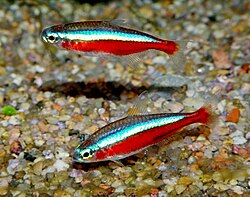
Spots on fins in Cardinal Tetras are a sign of stress or infection, which can be serious and require immediate attention. This guide helps identify common causes and outlines essential steps for treatment and prevention.
Cardinal Tetra Spots on Fins: Common Causes
Ichthyophthirius Multifiliis
Most LikelyAlso known as white spot disease, this is a common external parasite.
Bacterial Infections
PossibleBacteria can cause spots if the fish is stressed or has poor water quality.
Poor Water Quality
Most LikelyHigh ammonia or nitrite levels can stress the fish and lead to spots.
Poor Diet
PossibleLack of proper nutrition can weaken the fish's immune system, making it more susceptible to infections.
Environmental Stress
Less CommonSudden changes in water parameters or tank conditions can stress the fish, leading to spots.
How to Diagnose the Cause
Follow these steps in order. Stop when you identify a likely cause and move to treatment.
- Inspect the fish for spots on the fins, tail, and body.
Look for pinpoint or larger spots that may appear velvet-like.
- Check water quality parameters, including ammonia, nitrite, nitrate, pH, and temperature.
Use a water testing kit to measure these values.
Recommended: water testing kit - Observe fish behavior and diet to identify potential stressors.
Ensure the fish is eating well and not showing signs of stress or aggression.
- Consider the recent changes in the tank or diet that may have affected the fish.
Determine if there were any recent changes to the tank setup or feeding routine.
- Gather a fin or tail sample for microscopic examination if needed.
This can be done with a fine needle or scalpel under water.
Recommended: scalpel or fine needle
How to Treat Cardinal Tetra Spots on Fins
- Remove the affected fish to a hospital tank with similar water parameters.
This helps prevent the spread of disease to other tank inhabitants.
- Use an appropriate fish-safe medication to treat the spots.
Follow the manufacturer's instructions for dosage and treatment duration.
- Increase water changes to improve water quality, aiming for 30% every 2–3 days.
This helps remove toxins and prevent reinfection.
- Ensure the diet includes high-quality foods and supplements to support immune function.
Feeding the right diet can help the fish recover faster.
- Monitor the fish closely for any signs of improvement or worsening of the condition.
This will help determine if the treatment is effective or if additional steps are needed.
How to Prevent Cardinal Tetra Spots on Fins
When to See a Vet
🔬 AI Symptom Checker
Not sure what's wrong? Describe your fish's symptoms to the FishCare AI and get an instant diagnosis.
Check Symptoms →Frequently Asked Questions
This guide was reviewed for biological accuracy and practical aquarium care guidance. Always test water parameters before treating a sick fish — poor water quality is the most common root cause. Consult an aquatic veterinarian if symptoms persist after 48 hours of correct treatment.
Sources: Merck Veterinary Manual — Aquarium Fishes · UF/IFAS Extension — Fish Health Management