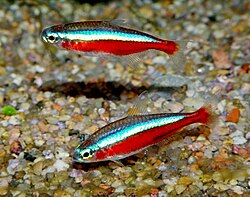
Missing scales in Cardinal Tetras often indicate underlying health issues. This condition can be serious if not addressed promptly. Owners should be aware that it could be a sign of stress, poor water quality, or parasites. Immediate monitoring and appropriate action are necessary to prevent further complications.
Cardinal Tetra Missing Scales: Common Causes
Poor Water Quality
Most LikelyHigh ammonia or nitrite levels can stress the fish and lead to scale loss.
Water Temperature Fluctuations
PossibleTemperature swings can cause stress and make the fish more susceptible to infections.
Dietary Deficiencies
PossibleLack of proper nutrition can weaken the fish's immune system, making it more prone to scale loss.
Bacterial Infections
PossibleBacteria such as Columnaris can cause scale loss as part of their disease process.
Parasitic Infections
Less CommonProtists like Ichthyophthirius multifiliis can cause the scales to detach from the fish's body.
How to Diagnose the Cause
Follow these steps in order. Stop when you identify a likely cause and move to treatment.
- Check water parameters for ammonia, nitrite, nitrate, and pH.
Use a test kit to measure these parameters and ensure they are within the ideal range for Cardinal Tetras.
Recommended: Water test kit - Inspect the fish for external parasites or signs of infection.
Look for any visible parasites or redness, inflammation, or ulcers on the fish's body.
- Observe the fish's behavior and diet.
Look for signs of stress, such as erratic swimming or changes in appetite, and assess the fish's diet for nutritional adequacy.
- Review the fish's tank setup and maintenance history.
Ensure the tank is well-maintained with adequate filtration and regular water changes.
- Consider any recent changes in the tank environment or diet.
Changes can cause stress and affect fish health, so identify any recent alterations that may have contributed to the problem.
How to Treat Cardinal Tetra Missing Scales
- Adjust the water parameters to the optimal range for Cardinal Tetras (23.0–27.0°C, pH 4.5–7.0).
Perform water changes and use a water conditioner to neutralize harmful chemicals.
- Improve the diet with high-quality foods rich in vitamins and minerals.
Feeding a balanced diet can strengthen the fish's immune system and aid in recovery.
- Administer appropriate medications if bacterial or parasitic infections are present.
Use antibiotics or anti-parasitic treatments as directed by a veterinarian.
- Monitor the fish for signs of stress and address them promptly.
Create a calm environment with adequate cover and minimize tank disturbances.
- Continue regular water changes and maintain good tank hygiene to prevent recurrence.
This includes cleaning the tank and removing any debris or uneaten food.
How to Prevent Cardinal Tetra Missing Scales
When to See a Vet
🔬 AI Symptom Checker
Not sure what's wrong? Describe your fish's symptoms to the FishCare AI and get an instant diagnosis.
Check Symptoms →Frequently Asked Questions
This guide was reviewed for biological accuracy and practical aquarium care guidance. Always test water parameters before treating a sick fish — poor water quality is the most common root cause. Consult an aquatic veterinarian if symptoms persist after 48 hours of correct treatment.
Sources: Merck Veterinary Manual — Aquarium Fishes · UF/IFAS Extension — Fish Health Management