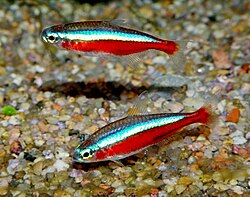
Floating at the surface in Cardinal Tetras can indicate a serious health issue due to their delicate osmoregulatory system. This condition is urgent and requires immediate attention to prevent further complications. Owners should first assess the tank conditions, as improper water parameters can be a primary cause.
Cardinal Tetra Floating at Surface: Common Causes
Low Oxygen Levels
Most LikelySurface floating may be a response to insufficient dissolved oxygen in the water.
Gastrointestinal Blockage
PossibleIngestion of foreign objects can lead to blockages, causing the fish to float at the surface.
Disease
PossibleBacterial infections, such as columnaris, can cause fish to lose their buoyancy control.
Poor Water Quality
PossibleHigh ammonia or nitrite levels can stress the fish, leading to surface floating.
Metabolic Disorders
Less CommonConditions like dropsy or swim bladder disorders can affect the fish's ability to stay submerged.
How to Diagnose the Cause
Follow these steps in order. Stop when you identify a likely cause and move to treatment.
- Check the water parameters for pH, ammonia, nitrite, and nitrate levels.
Use a test kit to ensure the water quality meets the Cardinal Tetra's requirements.
Recommended: Water test kit - Inspect the fish for external signs of injury or parasites.
Look for any abnormalities on the fish's body that might indicate an infection or blockage.
- Observe the fish's swimming patterns and behavior.
A healthy Cardinal Tetra should swim in a coordinated manner and not exhibit abnormal floating.
- Consider the fish's diet and recent changes to the aquarium environment.
Changes in diet or sudden tank rearrangements can stress the fish and lead to floating.
- Check for the presence of any foreign objects in the fish's digestive tract.
This can be done by using an endoscope if available or by a vet during a physical examination.
Recommended: Endoscope or vet consultation
How to Treat Cardinal Tetra Floating at Surface
- Improve water quality by increasing aeration and performing water changes.
Maintain water parameters within the recommended range for Cardinal Tetras.
- If a blockage is suspected, consider using an oil-based laxative specifically for fish.
Follow the manufacturer's instructions carefully.
- Administer antibiotics if a bacterial infection is diagnosed, following the vet's prescription.
Ensure the medication is appropriate for Cardinal Tetras.
- Isolate the affected fish to prevent the spread of disease to other tank inhabitants.
Use a separate tank with similar water parameters.
- Provide a varied diet rich in vitamins and minerals to support the fish's immune system.
Feeding high-quality flake food or live brine shrimp can be beneficial.
How to Prevent Cardinal Tetra Floating at Surface
When to See a Vet
🔬 AI Symptom Checker
Not sure what's wrong? Describe your fish's symptoms to the FishCare AI and get an instant diagnosis.
Check Symptoms →Frequently Asked Questions
This guide was reviewed for biological accuracy and practical aquarium care guidance. Always test water parameters before treating a sick fish — poor water quality is the most common root cause. Consult an aquatic veterinarian if symptoms persist after 48 hours of correct treatment.
Sources: Merck Veterinary Manual — Aquarium Fishes · UF/IFAS Extension — Fish Health Management