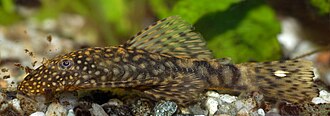
Sinking to the bottom is a critical issue for Bristlenose Plecos, often indicating severe health problems. This behavior is serious and requires immediate attention, as it can lead to drowning or secondary infections. As a beginner fishkeeper, it's crucial to understand that prompt action is necessary to save your pet's life.
Bristlenose Pleco Sinking to Bottom: Common Causes
Poor Water Quality
Most LikelyHigh ammonia or nitrite levels can cause stress and lead to this behavior.
Malnutrition
Most LikelyLack of a balanced diet can weaken the fish, making it unable to maintain buoyancy.
Infection
PossibleBacterial or parasitic infections can cause weakness and lead to sinking.
Stress
PossibleNew tank, aggression, or changes in water parameters can stress the fish and cause it to sink.
Internal Issues
Less CommonInternal problems like constipation or bloating can cause the fish to sink.
How to Diagnose the Cause
Follow these steps in order. Stop when you identify a likely cause and move to treatment.
- Check the water parameters using a test kit for ammonia, nitrite, nitrate, pH, and temperature.
Ensure the parameters are within the optimal range for Bristlenose Plecos.
Recommended: Water test kit - Observe the fish for signs of injury, such as fin damage or lesions.
Physical injuries can lead to stress and sinking.
- Inspect the fish's diet and feeding schedule.
Ensure it is receiving a balanced diet with a variety of vegetables and small insects.
- Monitor the tank for signs of aggression or bullying by other fish.
Stress from aggression can cause the fish to sink.
- Look for signs of bloating or constipation, which may indicate internal issues.
These symptoms require immediate veterinary attention.
How to Treat Bristlenose Pleco Sinking to Bottom
- Improve water quality by performing regular water changes and using a water conditioner to remove toxins.
Maintain optimal water parameters for the fish's health.
- Adjust the diet to include more vegetables like zucchini, spinach, and romaine lettuce, and consider supplementing with high-quality fish flakes.
Ensure the fish is getting a balanced and nutritious diet.
- Administer antibiotics if an infection is suspected, following the vet's instructions.
Use only antibiotics prescribed by a veterinarian.
- Remove the stressor from the tank, such as bullying fish, and provide a quiet hiding spot for the Bristlenose Pleco.
A stress-free environment is essential for recovery.
- If internal issues are suspected, consult a vet for a proper diagnosis and treatment.
Internal problems may require veterinary care and medication.
How to Prevent Bristlenose Pleco Sinking to Bottom
When to See a Vet
🔬 AI Symptom Checker
Not sure what's wrong? Describe your fish's symptoms to the FishCare AI and get an instant diagnosis.
Check Symptoms →Frequently Asked Questions
This guide was reviewed for biological accuracy and practical aquarium care guidance. Always test water parameters before treating a sick fish — poor water quality is the most common root cause. Consult an aquatic veterinarian if symptoms persist after 48 hours of correct treatment.
Sources: Merck Veterinary Manual — Aquarium Fishes · UF/IFAS Extension — Fish Health Management