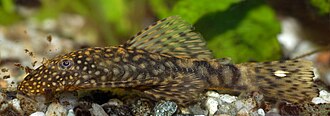
Red streaks on a Bristlenose Pleco, caused by bacterial infections or parasites, is a serious issue that can lead to severe health complications. Immediate attention is crucial as it can rapidly deteriorate. Owners should first ensure the water parameters are within the optimal range for Ancistrus temminckii.
Bristlenose Pleco Red Streaks on Body: Common Causes
Bacterial Infections
Most LikelyGram-negative bacteria like Aeromonas and Pseudomonas can cause hemorrhagic red streaks.
Parasites
Most LikelyIchthyophthirius multifiliis (ich) and other parasites can lead to red streaks and fin erosion.
Poor Water Quality
PossibleHigh ammonia or nitrite levels can stress the fish, leading to open sores and red streaks.
Physical Trauma
Less CommonFights or collisions can cause internal bleeding and red streaks.
Nutritional Deficiencies
Less CommonLack of essential nutrients can weaken the fish's immune system, making it susceptible to infections.
How to Diagnose the Cause
Follow these steps in order. Stop when you identify a likely cause and move to treatment.
- Observe the fish's behavior and appearance.
Look for signs of stress, loss of appetite, or aggression.
- Check the water parameters.
Use a test kit to measure ammonia, nitrite, nitrate, pH, and temperature.
Recommended: Water test kit - Inspect the fish for external parasites or signs of internal bleeding.
Use a magnifying glass to look for parasites or open sores.
Recommended: Magnifying glass - Observe the fish's diet and overall environment.
Ensure the diet is balanced and the tank is well-maintained.
- Take a water sample to a vet for bacterial culture if needed.
This can confirm the presence of specific pathogens.
How to Treat Bristlenose Pleco Red Streaks on Body
- Perform a 25% water change daily.
This helps remove toxins and maintain water quality.
- Administer appropriate antibiotics or antiparasitic treatments.
Follow the vet's instructions for dosage and duration.
- Ensure the tank has aeration and adequate flow to reduce stress.
Use powerheads or filters to maintain water movement.
- Feed a balanced diet rich in vitamins and minerals.
Use high-quality pellets or frozen foods and consider supplements.
- Isolate the affected fish if possible to prevent spread to others.
Use a separate tank or hospitalize the fish in the main tank if necessary.
How to Prevent Bristlenose Pleco Red Streaks on Body
When to See a Vet
🔬 AI Symptom Checker
Not sure what's wrong? Describe your fish's symptoms to the FishCare AI and get an instant diagnosis.
Check Symptoms →Frequently Asked Questions
This guide was reviewed for biological accuracy and practical aquarium care guidance. Always test water parameters before treating a sick fish — poor water quality is the most common root cause. Consult an aquatic veterinarian if symptoms persist after 48 hours of correct treatment.
Sources: Merck Veterinary Manual — Aquarium Fishes · UF/IFAS Extension — Fish Health Management