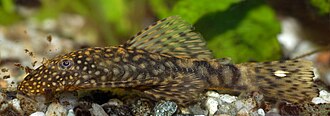
Rapid breathing in Bristlenose Plecos is a critical sign of stress or illness, indicating compromised respiratory function. This condition can be life-threatening if not addressed promptly. Owners should first ensure the fish is in a stress-free environment with proper water parameters and adequate hiding spots.
Bristlenose Pleco Rapid Breathing: Common Causes
Poor Water Quality
Most LikelyHigh ammonia or nitrite levels can severely stress the fish's gills, leading to rapid breathing.
Low Oxygen Levels
Most LikelyReduced oxygen in the water can cause labored breathing as the fish struggles to extract enough oxygen from each breath.
Infection
PossibleBacterial or parasitic infections can inflame the gills, making it difficult for the fish to breathe properly.
Physical Stress
PossibleSudden changes in water temperature, overcrowding, or aggressive tank mates can cause stress, leading to rapid breathing.
Internal Issues
Less CommonInternal parasites or organ failure can also lead to rapid breathing, often as a symptom of a more serious underlying condition.
How to Diagnose the Cause
Follow these steps in order. Stop when you identify a likely cause and move to treatment.
- Check water parameters for ammonia, nitrite, and nitrate levels using a test kit.
Ensure the tank has proper filtration to maintain healthy water quality.
Recommended: Water test kit - Measure the water temperature to confirm it falls within the optimal range for Bristlenose Plecos.
Adjust the temperature if necessary to maintain a stable environment.
- Observe the fish's behavior and appearance for signs of injury or disease.
Look for any external parasites or discoloration on the fish's body or gills.
- Inspect the tank for overcrowding or aggressive tank mates that may be causing stress.
Consider rearranging the tank or introducing compatible tank mates if necessary.
- Consider any recent changes in the tank or diet that might have caused stress to the fish.
Gradually introduce new foods or changes to the environment.
How to Treat Bristlenose Pleco Rapid Breathing
- Improve water quality by changing a significant portion of the tank water (25–30%) every other day to lower ammonia and nitrite levels.
Ensure the new water matches the tank's temperature and pH level.
- Add an aeration device or increase surface area to increase oxygen levels in the water.
This can be achieved with an air stone or a powerhead positioned at the water surface.
- Administer appropriate medications, such as anti-bacterial or anti-parasitic treatments, if an infection is suspected.
Follow the instructions on the medication label carefully.
- Ensure the fish has access to hiding spots and is not being bullied by other tank mates.
This can help reduce stress and improve the fish's overall well-being.
- Monitor the fish's progress closely and consult a veterinarian if there is no improvement within a few days.
The veterinarian may be able to provide additional treatments or advice.
How to Prevent Bristlenose Pleco Rapid Breathing
When to See a Vet
🔬 AI Symptom Checker
Not sure what's wrong? Describe your fish's symptoms to the FishCare AI and get an instant diagnosis.
Check Symptoms →Frequently Asked Questions
This guide was reviewed for biological accuracy and practical aquarium care guidance. Always test water parameters before treating a sick fish — poor water quality is the most common root cause. Consult an aquatic veterinarian if symptoms persist after 48 hours of correct treatment.
Sources: Merck Veterinary Manual — Aquarium Fishes · UF/IFAS Extension — Fish Health Management