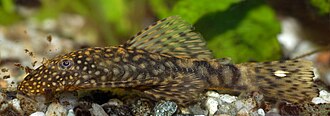
Excess mucus coating in Bristlenose Plecos is a serious sign of stress or illness, often indicating a compromised immune system. It can be caused by various factors, including poor water quality, improper diet, or parasitic infections. Immediate attention is crucial to prevent further health complications.
Bristlenose Pleco Mucus Coating: Common Causes
Poor Water Quality
Most LikelyHigh levels of ammonia, nitrites, or nitrates can stress the fish and weaken its immune system.
Improper Diet
PossibleLack of variety or overfeeding can lead to malnutrition and stress.
Parasitic Infections
Most LikelyCommon parasites such as ich or velvet can cause mucus overproduction.
Bacterial Infections
PossibleGram-negative bacteria can cause mucus buildup as a defense mechanism.
Environmental Stress
Less CommonChanges in water parameters or tank conditions can trigger stress and mucus production.
How to Diagnose the Cause
Follow these steps in order. Stop when you identify a likely cause and move to treatment.
- Perform a water test
Check ammonia, nitrites, nitrates, pH, and temperature levels.
Recommended: test kit - Observe fish behavior
Look for signs of stress, such as loss of appetite or aggression.
- Inspect the fish for external parasites
Use a magnifying glass to look for spots or patches on the fish's body.
Recommended: magnifying glass - Check for internal signs of disease
If the fish is bloated or has a loss of color, it may indicate internal issues.
- Review diet and tank conditions
Ensure the diet is balanced and the tank conditions are suitable for the Bristlenose Pleco.
How to Treat Bristlenose Pleco Mucus Coating
- Improve water quality
Perform regular water changes and use dechlorinators if necessary.
- Adjust diet
Provide a varied diet of algae wafers, vegetables, and high-fiber foods.
- Treat for parasites
Use appropriate treatments for parasites, such as formalin or metronidazole, following instructions carefully.
- Address bacterial infections
Treat with antibiotics if a bacterial infection is confirmed, but use these medications sparingly and under veterinary guidance.
- Stress reduction
Ensure the tank has hiding spots and consider using stress-reducing products like aquarium salts or amino acids.
How to Prevent Bristlenose Pleco Mucus Coating
When to See a Vet
🔬 AI Symptom Checker
Not sure what's wrong? Describe your fish's symptoms to the FishCare AI and get an instant diagnosis.
Check Symptoms →Frequently Asked Questions
This guide was reviewed for biological accuracy and practical aquarium care guidance. Always test water parameters before treating a sick fish — poor water quality is the most common root cause. Consult an aquatic veterinarian if symptoms persist after 48 hours of correct treatment.
Sources: Merck Veterinary Manual — Aquarium Fishes · UF/IFAS Extension — Fish Health Management