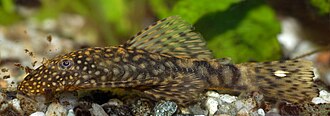
Lethargy in Bristlenose Plecos can be due to various factors, from environmental stress to health issues. It is a serious sign that requires immediate attention, as it may indicate underlying problems. Owners should first ensure the water parameters are optimal for their species.
Bristlenose Pleco Lethargic or Inactive: Common Causes
Poor Water Quality
Most LikelyHigh ammonia or nitrite levels can stress the fish and lead to lethargy.
Water Temperature Fluctuations
Most LikelyFluctuations outside the optimal range can cause stress and reduce activity.
Insufficient Diet
Most LikelyA lack of proper nutrition can result in decreased energy levels and lethargy.
Poor Tank Mates
PossibleAggressive tank mates can cause stress and lead to the fish becoming inactive.
Internal Health Issues
Less CommonConditions like swim bladder disorders or internal parasites can cause lethargy.
How to Diagnose the Cause
Follow these steps in order. Stop when you identify a likely cause and move to treatment.
- Check the water parameters using a test kit
Test for ammonia, nitrite, nitrate, pH, and temperature.
Recommended: Water test kit - Observe the fish for any physical signs of illness
Look for signs like fin rot, spots, or bloating.
- Inspect the tank for signs of aggression or poor water quality
Ensure the tank is clean and other fish are not bullying the Bristlenose Pleco.
- Assess the diet and feeding schedule
Ensure the fish is receiving a balanced diet of algae-based foods and occasional meaty foods.
- Consider the tank's layout and hiding spots
Ensure there are enough hiding spots for the fish to feel secure.
How to Treat Bristlenose Pleco Lethargic or Inactive
- Adjust water parameters to the optimal range
If parameters are off, perform water changes and treat with dechlorinators if necessary.
- Increase hiding spots and reduce aggression
Add more plants or decorations and consider removing aggressive tank mates.
- Improve the diet with more algae-based foods
Ensure the diet includes algae wafers, cucumber slices, and other plant matter.
- Consider adding a companion fish
A compatible companion can help alleviate loneliness and stress.
- Seek veterinary assistance if the fish does not improve
If symptoms persist, consult a vet who specializes in aquatic pets for a proper diagnosis and treatment plan.
How to Prevent Bristlenose Pleco Lethargic or Inactive
When to See a Vet
🔬 AI Symptom Checker
Not sure what's wrong? Describe your fish's symptoms to the FishCare AI and get an instant diagnosis.
Check Symptoms →Frequently Asked Questions
This guide was reviewed for biological accuracy and practical aquarium care guidance. Always test water parameters before treating a sick fish — poor water quality is the most common root cause. Consult an aquatic veterinarian if symptoms persist after 48 hours of correct treatment.
Sources: Merck Veterinary Manual — Aquarium Fishes · UF/IFAS Extension — Fish Health Management