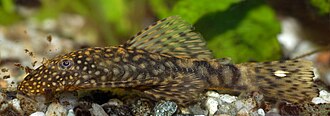
Floating at the surface in Bristlenose Plecos is a serious indicator of an underlying health issue. It could signify poor water quality, inadequate nutrition, or stress. Immediate attention is required to prevent further health complications.
Bristlenose Pleco Floating at Surface: Common Causes
Poor Water Quality
Most LikelyHigh ammonia or nitrite levels can cause stress and prevent the fish from diving properly.
Inadequate Diet
Most LikelyNot eating the appropriate algae-based diet can lead to malnutrition, weakening the fish and making it difficult to maintain balance.
Stress
PossibleSudden changes in environment, overcrowding, or aggressive tankmates can cause stress, leading to surface floating.
Internal Health Issues
Less CommonConditions like swimbladder disease or parasites can affect the fish's ability to control its buoyancy.
How to Diagnose the Cause
Follow these steps in order. Stop when you identify a likely cause and move to treatment.
- Test the water parameters for ammonia, nitrite, and nitrate levels.
Use a test kit to check water quality.
Recommended: Water test kit - Observe the fish's diet and feeding behavior.
Ensure a proper algae-based diet is provided and the fish is consuming it.
- Inspect the fish for any external signs of disease, such as ulcers or spots.
Use a magnifying glass for a closer look.
Recommended: Magnifying glass - Assess the tank environment for any signs of stress, such as aggressive tankmates or rapid temperature changes.
Ensure a stable and comfortable environment.
- Consider the fish's age and size to rule out developmental issues.
Ensure the tank is suitable for its age and size.
How to Treat Bristlenose Pleco Floating at Surface
- Improve water quality by performing water changes and using dechlorinators.
Replace 25% of the water weekly and maintain a stable pH and temperature.
- Adjust the diet to ensure it is algae-based and suitable for the fish's nutritional needs.
Offer a variety of algae-based foods and supplement with vitamin and mineral tablets if necessary.
- Reduce stress by minimizing tank disturbances and ensuring a peaceful environment.
Remove aggressive tankmates or adjust the tank layout to provide more space.
- Treat any identified diseases with appropriate medications, following the vet's instructions.
Consult a vet for the right treatment based on the specific diagnosis.
- Monitor the fish's response to the changes and continue with long-term care improvements.
Regularly assess the fish's health and make adjustments as needed to prevent recurrence.
How to Prevent Bristlenose Pleco Floating at Surface
When to See a Vet
🔬 AI Symptom Checker
Not sure what's wrong? Describe your fish's symptoms to the FishCare AI and get an instant diagnosis.
Check Symptoms →Frequently Asked Questions
This guide was reviewed for biological accuracy and practical aquarium care guidance. Always test water parameters before treating a sick fish — poor water quality is the most common root cause. Consult an aquatic veterinarian if symptoms persist after 48 hours of correct treatment.
Sources: Merck Veterinary Manual — Aquarium Fishes · UF/IFAS Extension — Fish Health Management