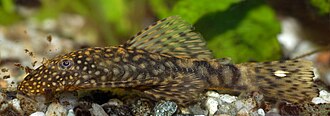
Curved or curled bodies in Bristlenose Plecos are often indicative of a serious health issue, such as malnutrition, parasites, or bacterial infections. This condition can be life-threatening and requires immediate attention. As a beginner-friendly species, owners should be aware of the importance of maintaining optimal water conditions and a balanced diet.
Bristlenose Pleco Curled Body: Common Causes
Parasitic Infection
Most LikelyCommonly caused by ich or anchor worms, these parasites can lead to tissue damage and curvature in the spine and body.
Poor Water Quality
Most LikelyHigh ammonia or nitrite levels can stress the fish, leading to curved spines as a result of swim bladder issues or growth deformities.
Malnutrition
Most LikelyLack of proper nutrition, especially a lack of calcium and vitamin D, can cause skeletal deformities and curved bodies.
Bacterial Infection
PossibleInfections like dropsy can cause fluid accumulation and swelling, leading to a curved appearance.
Genetic Factors
Less CommonIn some cases, genetic predisposition may contribute to curved bodies, although this is less common.
How to Diagnose the Cause
Follow these steps in order. Stop when you identify a likely cause and move to treatment.
- Observe the fish's behavior and appearance for signs of stress or infection.
Look for other symptoms like loss of appetite, clamped fins, or erratic swimming.
- Test the water parameters for ammonia, nitrite, and nitrate levels.
Ensure the water quality is within the optimal range for Bristlenose Plecos.
Recommended: Water test kit - Check the diet to ensure it is balanced and includes a variety of algae and prepared foods.
Ensure calcium and vitamin D are included in the diet to support bone health.
- Inspect the fish for external parasites using a magnifying glass.
Look for spots, white dots, or string-like organisms on the fish's body.
Recommended: Magnifying glass - Consult with a vet who specializes in aquatic animals for a definitive diagnosis.
A vet can provide a thorough examination and recommend appropriate treatment.
How to Treat Bristlenose Pleco Curled Body
- Improve water quality by changing 25-50% of the tank water daily.
Ensure water parameters are within the recommended range for Bristlenose Plecos.
- Administer appropriate medication as directed by a vet for parasitic or bacterial infections.
Follow the vet's instructions carefully to avoid over-treatment or under-treatment.
- Adjust the diet to include more calcium and vitamin D, possibly through supplements or specialized food.
Provide a varied diet with algae wafers, vegetables, and high-calcium foods.
- Ensure the tank has adequate hiding spots and no aggressive tankmates to prevent stress.
Stress can exacerbate health issues and slow healing.
- Monitor the fish closely for any signs of improvement or worsening condition.
Report any changes to a vet for further guidance and adjustments to the treatment plan.
How to Prevent Bristlenose Pleco Curled Body
When to See a Vet
🔬 AI Symptom Checker
Not sure what's wrong? Describe your fish's symptoms to the FishCare AI and get an instant diagnosis.
Check Symptoms →Frequently Asked Questions
This guide was reviewed for biological accuracy and practical aquarium care guidance. Always test water parameters before treating a sick fish — poor water quality is the most common root cause. Consult an aquatic veterinarian if symptoms persist after 48 hours of correct treatment.
Sources: Merck Veterinary Manual — Aquarium Fishes · UF/IFAS Extension — Fish Health Management