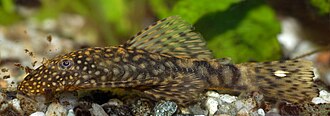
Coughing or spitting in Bristlenose Plecos often indicates a respiratory issue or a reaction to poor water quality, which can be serious if not addressed promptly. Owners should first check the tank's water parameters and feeding habits to ensure optimal conditions for their pet.
Bristlenose Pleco Coughing or Spitting: Common Causes
Poor Water Quality
Most LikelyAmmonia, nitrite, or nitrate levels above acceptable thresholds can irritate the fish's gills and cause coughing or spitting.
Inadequate Diet
Most LikelyFeeding the wrong type of food or overfeeding can lead to indigestion, resulting in coughing or spitting.
Respiratory Infection
PossibleBacteria or parasites can infect the gills, causing the fish to cough or spit in an attempt to clear the gills.
Stress
PossibleChanges in the tank environment or aggressive tank mates can stress the fish, leading to coughing or spitting as a stress response.
Foreign Objects
Less CommonThe fish may be coughing or spitting to expel foreign objects stuck in its throat or gills.
How to Diagnose the Cause
Follow these steps in order. Stop when you identify a likely cause and move to treatment.
- Observe the fish's overall health and behavior.
Look for signs of stress, fin damage, or other health issues.
- Test the water for ammonia, nitrite, and nitrate levels.
Use a reliable test kit to measure these parameters.
Recommended: Water test kit - Inspect the fish's diet and feeding routine.
Ensure the food is appropriate for their size and dietary needs.
- Check the water temperature and pH levels.
Ensure they are within the recommended range for Bristlenose Plecos.
Recommended: Thermometer, pH test kit - Inspect the tank for signs of disease or aggression.
Look for any foreign objects or signs of stress from tank mates.
How to Treat Bristlenose Pleco Coughing or Spitting
- Improve water quality by increasing water changes and addressing any issues with filtration.
Remove any decaying matter or uneaten food.
- Adjust the diet to ensure it's appropriate and not overfeeding the fish.
Feeding high-quality, sinking algae wafers designed for bottom feeders.
- Consider treating the tank with a broad-spectrum antibiotic if a bacterial infection is suspected.
Follow the instructions carefully and consult with a vet if needed.
- Provide a stress-free environment by removing aggressive tank mates or minimizing changes in the tank's setup.
Ensure there are enough hiding spots for the fish.
- Remove any foreign objects found in the fish's mouth or gills with a soft syringe or tweezers.
Be gentle to avoid injury to the fish.
How to Prevent Bristlenose Pleco Coughing or Spitting
When to See a Vet
🔬 AI Symptom Checker
Not sure what's wrong? Describe your fish's symptoms to the FishCare AI and get an instant diagnosis.
Check Symptoms →Frequently Asked Questions
This guide was reviewed for biological accuracy and practical aquarium care guidance. Always test water parameters before treating a sick fish — poor water quality is the most common root cause. Consult an aquatic veterinarian if symptoms persist after 48 hours of correct treatment.
Sources: Merck Veterinary Manual — Aquarium Fishes · UF/IFAS Extension — Fish Health Management