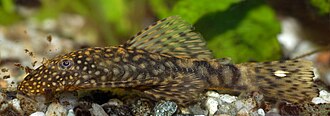
Cloudy eyes in Bristlenose Plecos, caused by bacterial or parasitic infections, is a serious condition that can lead to blindness if not treated promptly. Understanding the urgency, owners should first check the water parameters and recent changes in the aquarium.
Bristlenose Pleco Cloudy Eyes: Common Causes
Poor Water Quality
Most LikelyAmmonia, nitrite, or nitrate levels exceeding the recommended range can stress the fish and weaken its immune system.
Bacterial Infection
Most LikelyBacteria like Aeromonas can cause eye infections in stressed fish.
Parasitic Infection
PossibleParasites like Costia can also lead to cloudy eyes in Bristlenose Plecos.
Nutritional Deficiencies
Less CommonLack of vitamins, particularly vitamin A, can result in cloudy eyes.
Physical Injury
Less CommonA bump or injury to the eye can cause temporary cloudiness.
How to Diagnose the Cause
Follow these steps in order. Stop when you identify a likely cause and move to treatment.
- Check the water parameters for ammonia, nitrite, and nitrate levels.
Use a reliable test kit to ensure the water quality meets the Bristlenose Pleco's needs.
Recommended: Water test kit - Inspect the fish for signs of injury or other symptoms of disease.
Look for lumps, fin damage, or other signs of stress or infection.
- Observe the behavior of the fish.
A fish with cloudy eyes may appear less active or isolated.
- Microscope examination of eye swab may be necessary for definitive diagnosis.
This can identify specific pathogens if present.
Recommended: Microscope - Consult with a veterinarian specializing in aquatic life for a comprehensive evaluation.
A vet can provide professional advice and treatment options.
How to Treat Bristlenose Pleco Cloudy Eyes
- Improve water quality by reducing ammonia, nitrite, and nitrate levels.
Regular water changes and using a filter are crucial.
- Administer antibiotics or antiparasitic treatments as recommended by a veterinarian.
Follow the vet's instructions carefully for dosage and duration.
- Provide a well-balanced diet with high-quality flake food or algae wafers.
Ensure the diet includes vitamin supplements if advised by a vet.
- Keep the tank temperature within the optimal range of 23.0–27.0°C and pH of 6.5–7.5.
Stress from extreme temperatures can exacerbate the condition.
- Isolate the affected fish to prevent the spread of infection to other tank inhabitants.
This also allows for easier observation and treatment.
How to Prevent Bristlenose Pleco Cloudy Eyes
When to See a Vet
🔬 AI Symptom Checker
Not sure what's wrong? Describe your fish's symptoms to the FishCare AI and get an instant diagnosis.
Check Symptoms →Frequently Asked Questions
This guide was reviewed for biological accuracy and practical aquarium care guidance. Always test water parameters before treating a sick fish — poor water quality is the most common root cause. Consult an aquatic veterinarian if symptoms persist after 48 hours of correct treatment.
Sources: Merck Veterinary Manual — Aquarium Fishes · UF/IFAS Extension — Fish Health Management