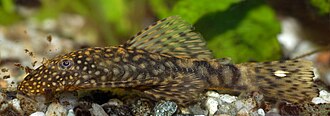
Black spots on Bristlenose Plecos can indicate stress, poor water quality, or parasitic infections. These spots are often a sign of a more serious underlying issue. It's crucial for owners to closely monitor their fish and address the root cause promptly.
Bristlenose Pleco Black Spots: Common Causes
Poor Water Quality
Most LikelyHigh levels of ammonia, nitrites, or nitrates can stress the fish and lead to spots.
Parasites
Most LikelyIch or other parasites can cause spots as they feed on the fish's skin and fins.
Stress
PossibleChanges in the environment, such as water temperature fluctuations or aggressive tankmates, can stress the fish and result in spots.
Poor Diet
PossibleA lack of proper nutrition can weaken the fish's immune system, making it more susceptible to infections and spots.
Genetic Factors
Less CommonSome spots may be genetic and not indicative of a health issue.
How to Diagnose the Cause
Follow these steps in order. Stop when you identify a likely cause and move to treatment.
- Check the water parameters
Test for ammonia, nitrites, nitrates, pH, and temperature to ensure they are within the optimal range for Bristlenose Plecos.
Recommended: Water test kit - Observe the fish's behavior
Look for signs of stress, such as changes in swimming patterns or reduced appetite.
- Inspect the fish for external parasites
Use a magnifying glass to check for external parasites like ich or flukes.
Recommended: Magnifying glass - Assess the diet
Ensure the fish is receiving a balanced diet with high-quality algae-based foods.
- Consider the tank environment
Evaluate the tank setup for any potential stressors, such as aggressive tankmates or sudden changes in the environment.
How to Treat Bristlenose Pleco Black Spots
- Improve water quality
Perform regular water changes and use a filter to maintain clean, healthy water conditions.
- Remove parasites
Use an appropriate treatment for the specific parasite, following the instructions carefully.
- Reduce stress
Ensure the tank has adequate hiding spots and consider removing aggressive tankmates if necessary.
- Adjust the diet
Feed the fish a well-balanced diet, including algae wafers, vegetables, and high-quality pellets.
- Monitor the fish's response
Keep a close eye on the fish's progress and adjust the treatment plan as needed.
How to Prevent Bristlenose Pleco Black Spots
When to See a Vet
🔬 AI Symptom Checker
Not sure what's wrong? Describe your fish's symptoms to the FishCare AI and get an instant diagnosis.
Check Symptoms →Frequently Asked Questions
This guide was reviewed for biological accuracy and practical aquarium care guidance. Always test water parameters before treating a sick fish — poor water quality is the most common root cause. Consult an aquatic veterinarian if symptoms persist after 48 hours of correct treatment.
Sources: Merck Veterinary Manual — Aquarium Fishes · UF/IFAS Extension — Fish Health Management