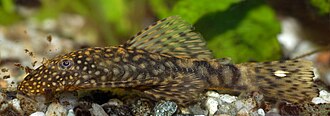
Sudden aggression in Bristlenose Plecos can stem from territorial disputes, stress, or changes in water quality. This behavior issue is concerning as it can lead to stress for tank mates and owners. Understanding the causes and prompt action is crucial to ensure the fish's well-being and the tank's harmony.
Bristlenose Pleco Aggressive: Common Causes
Territorial Disputes
Most LikelyMale Bristlenose Plecos can become territorial during breeding season or when introduced to new tank mates.
Stress
Most LikelyStress due to poor water quality, overcrowding, or sudden changes in tank setup can trigger aggression.
New Tank Mates
PossibleIntroducing new fish can lead to aggression as the pleco establishes its territory.
Dietary Issues
PossibleInsufficient or unbalanced diet can cause aggression or stress, especially in younger plecos.
Physical Condition
Less CommonHealth issues like fin rot or parasites can cause discomfort and aggression.
How to Diagnose the Cause
Follow these steps in order. Stop when you identify a likely cause and move to treatment.
- Observe the tank and the fish's behavior closely
Look for signs of stress, aggression, or changes in swimming patterns.
- Check water parameters
Use a test kit to measure ammonia, nitrite, nitrate, pH, and temperature.
Recommended: Water test kit - Inspect the fish for signs of injury or disease
Gently examine the pleco for any signs of fin rot, ich, or other health issues.
- Assess tank mates and tank conditions
Evaluate the tank size, decorations, and the presence of territories.
- Review recent changes in the tank
Consider any new tank mates, decorations, or water changes made in the past few weeks.
How to Treat Bristlenose Pleco Aggressive
- Improve water quality
Perform regular water changes and maintain optimal pH and temperature for Bristlenose Plecos.
- Ensure proper nutrition
Provide a balanced diet with algae wafers, sinking pellets, and occasional live or frozen foods.
- Reduce stress
Minimize tank disturbances, avoid overcrowding, and provide plenty of hiding spots.
- Re-home aggressive fish
If aggression is severe and unresponsive to changes, consider rehoming the aggressive fish.
How to Prevent Bristlenose Pleco Aggressive
When to See a Vet
🔬 AI Symptom Checker
Not sure what's wrong? Describe your fish's symptoms to the FishCare AI and get an instant diagnosis.
Check Symptoms →Frequently Asked Questions
This guide was reviewed for biological accuracy and practical aquarium care guidance. Always test water parameters before treating a sick fish — poor water quality is the most common root cause. Consult an aquatic veterinarian if symptoms persist after 48 hours of correct treatment.
Sources: Merck Veterinary Manual — Aquarium Fishes · UF/IFAS Extension — Fish Health Management