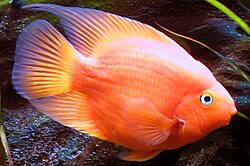
Sunken belly in Blood Parrot Cichlids is a serious condition often indicating internal issues. It can lead to malnutrition and even death if not addressed promptly. Owners should first ensure proper water parameters and feeding routines are maintained.
Blood Parrot Cichlid Sunken Belly: Common Causes
Poor Diet
Most LikelyInadequate nutrition or overfeeding can lead to obesity or malnutrition, causing a sunken belly.
Internal Parasites
Most LikelyParasites such as tapeworms can cause internal damage and malabsorption, resulting in a sunken belly.
Bacterial Infections
PossibleInfections like columnaris can lead to internal inflammation and a sunken appearance.
Kidney Disease
PossibleKidney problems can cause fluid retention and a sunken belly, often accompanied by other symptoms.
Stress
Less CommonStress can lead to reduced appetite and malabsorption, contributing to a sunken belly.
How to Diagnose the Cause
Follow these steps in order. Stop when you identify a likely cause and move to treatment.
- Observe the fish's behavior and appearance for other signs of illness.
Look for signs of stress, aggression, or other symptoms that may indicate an underlying condition.
- Check water parameters for ammonia, nitrite, nitrate, pH, and temperature.
Ensure the water quality is within the optimal range for Blood Parrot Cichlids.
Recommended: Water test kit - Perform a physical examination of the fish, including checking for external parasites or wounds.
Use a magnifying glass to inspect the fish for any abnormalities.
Recommended: Magnifying glass - Consider a fecal floatation test to check for internal parasites.
This test can help identify parasites that may be causing malabsorption.
Recommended: Fecal floatation kit - If necessary, consult with a veterinarian who specializes in fish health for further diagnostics.
A vet may perform additional tests such as blood work or ultrasound.
How to Treat Blood Parrot Cichlid Sunken Belly
- Improve the fish's diet with high-quality, balanced food.
Ensure the diet includes a variety of nutrients and is appropriate for the fish's size and age.
- Treat for internal parasites with appropriate medication as prescribed by a veterinarian.
Follow the vet's instructions carefully to avoid over-treatment or resistance.
- If a bacterial infection is present, use an antibiotic treatment as directed by a vet.
Ensure the antibiotic is safe for freshwater fish and compatible with the fish's water parameters.
- Address any underlying conditions such as kidney disease with appropriate veterinary care.
This may involve medication and dietary adjustments.
- Reduce stress by providing adequate space, removing aggressive tankmates, and maintaining a stable environment.
Ensure the tank is well-maintained and free from any potential stressors.
How to Prevent Blood Parrot Cichlid Sunken Belly
When to See a Vet
🔬 AI Symptom Checker
Not sure what's wrong? Describe your fish's symptoms to the FishCare AI and get an instant diagnosis.
Check Symptoms →Frequently Asked Questions
This guide was reviewed for biological accuracy and practical aquarium care guidance. Always test water parameters before treating a sick fish — poor water quality is the most common root cause. Consult an aquatic veterinarian if symptoms persist after 48 hours of correct treatment.
Sources: Merck Veterinary Manual — Aquarium Fishes · UF/IFAS Extension — Fish Health Management