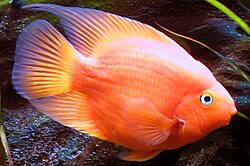
Rapid breathing in Blood Parrot Cichlids is a critical sign of stress or illness, indicating a potential for serious health issues. Immediate attention is crucial. The problem often stems from poor water quality, infection, or swimbladder disorders, requiring prompt action.
Blood Parrot Cichlid Rapid Breathing: Common Causes
Poor Water Quality
Most LikelyAmmonia, nitrite, or nitrate levels exceeding safe limits can cause stress and rapid breathing.
Infection
Most LikelyBacterial or fungal infections can lead to breathing difficulties and are highly infectious.
Swimbladder Disorder
PossibleImbalance in the swimbladder can disrupt breathing and cause rapid gill movements.
External Lesions
PossiblePhysical injuries from tank aggression or decorations can lead to infection and breathing issues.
Overcrowding
Less CommonToo many fish in a small space can stress Blood Parrot Cichlids, leading to rapid breathing.
How to Diagnose the Cause
Follow these steps in order. Stop when you identify a likely cause and move to treatment.
- Inspect the fish for visible signs of injury, such as fin or scale damage or open sores.
This can indicate external trauma or infection.
- Check the water parameters for ammonia, nitrite, and nitrate levels.
Use a reliable test kit for accurate measurements.
Recommended: test kit - Observe the fish's swimming pattern and overall activity level.
An erratic swim or lack of interest in feeding may indicate a swimbladder issue.
- Examine the fish for signs of fin and tail rot, which can be a sign of bacterial infection.
Look for cloudy or ragged edges on the fins and tail.
- Gently touch the fish's swimbladder area to check for palpable irregularities or discomfort.
A swimbladder issue may cause the fish to arch its back or swim in an uneven manner.
How to Treat Blood Parrot Cichlid Rapid Breathing
- Perform a 25% water change to reduce ammonia, nitrite, and nitrate levels.
- Administer appropriate medication based on the diagnosis (e.g., anti-parasitic, anti-bacterial, or anti-fungal).
- Ensure the tank is well-aerated and maintain optimal water quality parameters.
- Feed a balanced diet and consider adding live foods or high-protein foods to support overall health.
- Provide a comfortable, stress-free environment, possibly with a quiet corner or a floating plant to reduce aggression and stress.
How to Prevent Blood Parrot Cichlid Rapid Breathing
When to See a Vet
🔬 AI Symptom Checker
Not sure what's wrong? Describe your fish's symptoms to the FishCare AI and get an instant diagnosis.
Check Symptoms →Frequently Asked Questions
This guide was reviewed for biological accuracy and practical aquarium care guidance. Always test water parameters before treating a sick fish — poor water quality is the most common root cause. Consult an aquatic veterinarian if symptoms persist after 48 hours of correct treatment.
Sources: Merck Veterinary Manual — Aquarium Fishes · UF/IFAS Extension — Fish Health Management