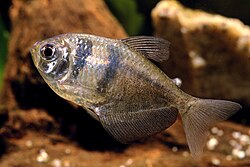
Spots on fins in Black Skirt Tetras are often a sign of stress or underlying health issues. This condition can be serious, leading to further complications if not addressed promptly. Owners should be aware of the necessary water parameters and regular tank maintenance to prevent recurrence.
Black Skirt Tetra Spots on Fins: Common Causes
Ich (Ichthyophthirius multifiliis)
Most LikelyCommon cause of spots on Black Skirt Tetras, characterized by white spots on the fins.
Fin Rot
Most LikelyBacterial infection often caused by poor water quality, leading to spots and烂烂的鳍边缘.
Ammonia/Nitrite Poisoning
PossibleHigh levels of ammonia or nitrite can stress the fish, leading to spots on the fins.
Poor Diet
PossibleInsufficient or unbalanced diet can weaken the fish's immune system, making them more susceptible to fin spots.
Environmental Stress
Less CommonChanges in water parameters or tank mates can stress the fish, resulting in spots on the fins.
How to Diagnose the Cause
Follow these steps in order. Stop when you identify a likely cause and move to treatment.
- Observe the fish's behavior and appearance in the tank.
Look for signs of stress or aggression, as well as the specific pattern of spots on the fins.
- Check the water parameters for ammonia, nitrite, nitrate, pH, and temperature.
Use a water testing kit to ensure the water quality is within the optimal range for Black Skirt Tetras.
Recommended: Water testing kit - Inspect the tank for any signs of physical damage or foreign objects that could be causing injury to the fish.
Look for broken ornaments, sharp edges, or aggressive tank mates.
- Review the fish's diet and feeding routine.
Ensure the fish is receiving a balanced diet with a variety of foods.
- Consider any recent changes in the tank, such as new tank mates or decorations.
Changes can cause stress and lead to health issues.
How to Treat Black Skirt Tetra Spots on Fins
- Improve water quality by performing regular water changes (20-30% weekly).
Maintain the optimal water parameters for Black Skirt Tetras to prevent further stress and infection.
- Use a suitable treatment for Ich or Fin Rot, following the instructions on the medication.
Ich can be treated with copper-based medications, while Fin Rot may require antibiotics. Be cautious with copper treatments as they can be harmful to some fish.
- Ensure the fish is receiving a high-quality diet and consider adding supplements to boost the immune system.
Feed the fish a balanced diet rich in vitamins and minerals to support its health.
- Remove any physical hazards from the tank and consider rearranging the tank to reduce stress.
Create a peaceful environment that minimizes the risk of injury or aggression.
- Monitor the fish's progress and adjust the treatment plan as needed.
Regularly assess the fish's health and response to treatment to ensure the best outcome.
How to Prevent Black Skirt Tetra Spots on Fins
When to See a Vet
🔬 AI Symptom Checker
Not sure what's wrong? Describe your fish's symptoms to the FishCare AI and get an instant diagnosis.
Check Symptoms →Frequently Asked Questions
This guide was reviewed for biological accuracy and practical aquarium care guidance. Always test water parameters before treating a sick fish — poor water quality is the most common root cause. Consult an aquatic veterinarian if symptoms persist after 48 hours of correct treatment.
Sources: Merck Veterinary Manual — Aquarium Fishes · UF/IFAS Extension — Fish Health Management