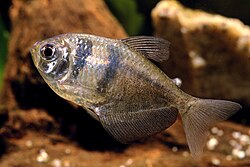
Black Skirt Tetras, known for their vibrant colors and peaceful nature, can become picky eaters, leading to days without food intake. This behavior problem can range from mild to serious, so it's crucial for owners to understand the potential causes and respond promptly. Before diving into potential solutions, consider the fish's diet, water quality, and stress factors.
Black Skirt Tetra Not Eating: Common Causes
Poor Water Quality
Most LikelyAmmonia or nitrite spikes can stress the fish and deter eating.
Bad Diet
Most LikelyInadequate nutrition, overfeeding, or the absence of preferred food items can lead to a lack of appetite.
Stress or Aggression
PossibleFear of tankmates, especially due to aggression or fin nipping, can make the fish reluctant to eat.
Health Issues
PossibleInfections, parasites, or other health problems can suppress appetite.
Tank Conditions
Less CommonUncomfortable tank layout, water temperature fluctuations, or excessive noise can cause stress and eating issues.
How to Diagnose the Cause
Follow these steps in order. Stop when you identify a likely cause and move to treatment.
- Check the water parameters for ammonia, nitrite, and nitrate levels.
Ensure the tank's water quality meets the Black Skirt Tetra's requirements of 5.8–7.5 pH and 20.0–26.0°C temperature.
Recommended: water test kit - Observe the fish for signs of illness such as cloudy eyes, spots, or irregular swimming patterns.
These symptoms may indicate a health issue that is causing the fish to stop eating.
- Examine the tank environment for aggression or stress-inducing factors like overcrowding or inappropriate tank decorations.
This can help identify stress as the cause of the fish's not eating.
- Assess the diet, ensuring a variety of high-quality foods is offered and that the quantity is appropriate.
This includes live, frozen, and freeze-dried food options that cater to the fish's diet preferences.
- Monitor for any recent changes in the fish's behavior or environment that may have occurred before the onset of the eating problem.
Changes such as new tankmates, decorations, or water changes can stress the fish and affect eating patterns.
How to Treat Black Skirt Tetra Not Eating
- Improve water quality by performing water changes as needed to lower ammonia, nitrite, and nitrate levels.
This should be done gradually to avoid shocking the fish.
- Change the fish's diet to include more nutritious and palatable foods, offering a mix of live, frozen, and freeze-dried food options.
Ensure that the diet is varied and high in quality.
- Identify and address any stressors in the tank, such as aggressive tankmates or inadequate tank size, to promote a more peaceful environment.
This may involve rearranging decorations or considering a tankmate change.
- Consider adding supplements to the fish's diet, like vitamin C or a probiotic, to support overall health.
These can help support the fish's immune system and appetite.
- If health issues are suspected, consult a veterinarian experienced with tropical fish to conduct further diagnostics and treatment.
Early intervention can be crucial in treating any underlying conditions that are causing the fish to not eat.
How to Prevent Black Skirt Tetra Not Eating
When to See a Vet
🔬 AI Symptom Checker
Not sure what's wrong? Describe your fish's symptoms to the FishCare AI and get an instant diagnosis.
Check Symptoms →Frequently Asked Questions
This guide was reviewed for biological accuracy and practical aquarium care guidance. Always test water parameters before treating a sick fish — poor water quality is the most common root cause. Consult an aquatic veterinarian if symptoms persist after 48 hours of correct treatment.
Sources: Merck Veterinary Manual — Aquarium Fishes · UF/IFAS Extension — Fish Health Management