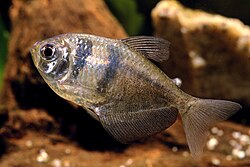
Excess mucus coating in Black Skirt Tetras, a common disease among these peaceful community fish, is often a sign of stress or infection. This can lead to secondary infections if not addressed promptly. Owners should first assess the tank conditions, water quality, and recent changes.
Black Skirt Tetra Mucus Coating: Common Causes
Poor Water Quality
Most LikelyHigh ammonia, nitrite, or nitrate levels can stress the fish and lead to mucus production.
Dietary Issues
PossibleInadequate diet or overfeeding can cause digestive upset, leading to excess mucus.
Water Temperature Fluctuations
PossibleSudden changes in temperature can shock the fish and cause mucus secretion.
Bacterial Infection
Most LikelyBacteria such as Aeromonas can cause mucus production as the fish tries to fight off infection.
Parasitic Infestation
PossibleParasites like Ich or Velvet can cause visible mucus build-up and stress the fish.
How to Diagnose the Cause
Follow these steps in order. Stop when you identify a likely cause and move to treatment.
- Perform a partial water change (20–30%) to remove toxins and improve water quality.
This helps reduce stress on the fish and provides cleaner conditions.
Recommended: water siphon - Check the pH and temperature to ensure they are within the optimal range for Black Skirt Tetras (pH 5.8–7.5, temp 20.0–26.0°C).
Maintaining stable conditions is crucial for the fish's health.
- Inspect the fish for any external parasites or injuries that might be contributing to the mucus production.
This step helps identify if parasites or trauma are involved.
Recommended: magnifying glass - Observe the fish's behavior and feeding patterns to assess overall health and stress levels.
Changes in behavior can indicate the fish's response to its environment or health status.
- Consider the recent changes in the tank or diet, as they may have caused stress or dietary imbalances.
Identifying recent changes can help pinpoint the cause of the problem.
How to Treat Black Skirt Tetra Mucus Coating
- Continue with regular water changes and maintain optimal water parameters.
- Feeding a varied diet of high-quality flake food and live or frozen foods can help alleviate stress and support digestion.
- If a bacterial infection is suspected, treat the tank with a broad-spectrum antibiotic like erythromycin or metronidazole, following the manufacturer's instructions.
- If a parasitic infection is suspected, use a suitable treatment such as formalin or malachite green, as advised by a veterinarian.
- If the problem persists, consult a veterinarian experienced with aquatic species for a more accurate diagnosis and treatment plan.
How to Prevent Black Skirt Tetra Mucus Coating
When to See a Vet
🔬 AI Symptom Checker
Not sure what's wrong? Describe your fish's symptoms to the FishCare AI and get an instant diagnosis.
Check Symptoms →Frequently Asked Questions
This guide was reviewed for biological accuracy and practical aquarium care guidance. Always test water parameters before treating a sick fish — poor water quality is the most common root cause. Consult an aquatic veterinarian if symptoms persist after 48 hours of correct treatment.
Sources: Merck Veterinary Manual — Aquarium Fishes · UF/IFAS Extension — Fish Health Management