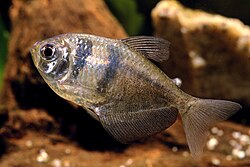
Losing color in Black Skirt Tetras can be caused by stress, poor water quality, or dietary deficiencies. This condition is typically not life-threatening but may indicate underlying health issues. Owners should first assess water parameters and diet before taking further action.
Black Skirt Tetra Losing Color: Common Causes
Poor Water Quality
Most LikelyAmmonia, nitrite, or nitrate levels that exceed the safe range can stress the fish and lead to color loss.
Dietary Deficiencies
Most LikelyInsufficient vitamins or amino acids can cause the fish to lose color, as these nutrients are vital for maintaining vibrant colors.
Stress
Most LikelyStress from overcrowding, aggression, or sudden changes in water temperature can lead to paleness in Black Skirt Tetras.
Internal Health Issues
PossibleInternal parasites or infections may also cause color loss as the fish's immune system is compromised.
Genetic Factors
Less CommonIn some cases, color loss can be due to genetic predispositions, though this is less common.
How to Diagnose the Cause
Follow these steps in order. Stop when you identify a likely cause and move to treatment.
- Test water parameters for ammonia, nitrite, and nitrate.
Use a reliable test kit to ensure these levels are within the safe range for Black Skirt Tetras.
Recommended: Water test kit - Check for signs of stress, such as aggression or overcrowding.
Monitor the tank environment for any stressors that could be affecting the fish.
- Observe the fish's diet and ensure it's balanced and varied.
Feeding a high-quality diet rich in proteins and omega-3 fatty acids can help maintain coloration.
- Inspect the fish for any external signs of parasites or infections.
Look for spots, spots, or unusual behavior that might indicate a health issue.
- Consult with a vet specializing in aquarium fish if the issue persists.
A vet can perform more advanced tests and provide a definitive diagnosis.
How to Treat Black Skirt Tetra Losing Color
- Improve water quality by regular water changes and ensuring the filter is functioning properly.
Maintain water parameters within the optimal range for Black Skirt Tetras.
- Adjust the diet to include more protein-rich foods and supplements with vitamin C and other essential nutrients.
Ensure the fish is getting a balanced and varied diet.
- If stress is the issue, consider adding more plants or adjusting the tank layout to reduce aggression.
Creating a more serene environment can help alleviate stress.
- Treat for parasites or infections with appropriate medications, following the vet's instructions.
Consult with a vet for the best treatment plan.
- Monitor the fish's response to the treatment and continue with preventive measures.
Regular maintenance and observation are crucial for long-term health and coloration.
How to Prevent Black Skirt Tetra Losing Color
When to See a Vet
🔬 AI Symptom Checker
Not sure what's wrong? Describe your fish's symptoms to the FishCare AI and get an instant diagnosis.
Check Symptoms →Frequently Asked Questions
This guide was reviewed for biological accuracy and practical aquarium care guidance. Always test water parameters before treating a sick fish — poor water quality is the most common root cause. Consult an aquatic veterinarian if symptoms persist after 48 hours of correct treatment.
Sources: Merck Veterinary Manual — Aquarium Fishes · UF/IFAS Extension — Fish Health Management