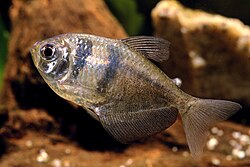
Bulging eyes, or Popeye, in Black Skirt Tetras is a serious condition that can lead to blindness and death if not treated promptly. It's often caused by poor water quality, bacterial infections, or parasitic infestations. Owners should first ensure the tank conditions are optimal and seek immediate veterinary care.
Black Skirt Tetra Bulging Eyes (Popeye): Common Causes
Poor Water Quality
Most LikelyHigh levels of ammonia, nitrite, or nitrate can cause Popeye in Black Skirt Tetras.
Bacterial Infection
Most LikelyGram-negative bacteria can cause Popeye, often due to stress or existing wounds.
Parasitic Infestation
PossibleIch or other parasites can lead to Popeye if not treated promptly.
Malnutrition
PossibleDeficiencies in vitamin C or other nutrients can weaken the fish's immune system, making it susceptible to Popeye.
Genetic Factors
Less CommonIn rare cases, Popeye can be a genetic condition in Black Skirt Tetras.
How to Diagnose the Cause
Follow these steps in order. Stop when you identify a likely cause and move to treatment.
- Inspect the fish for other signs of illness, such as redness or swelling around the eyes.
This can help determine if the Popeye is due to an infection or another condition.
- Test the water parameters for ammonia, nitrite, nitrate, and pH levels.
Ensure the tank conditions are within the optimal range for Black Skirt Tetras.
Recommended: Water test kit - Observe the fish's behavior and overall health.
Changes in behavior can indicate the severity of the condition and the need for treatment.
- Perform a physical examination, including looking for external parasites or wounds.
This can help identify if the Popeye is due to a bacterial infection or parasitic infestation.
Recommended: Magnifying glass - Consider the fish's diet and recent changes to the tank environment.
Malnutrition or stress can contribute to Popeye development.
How to Treat Black Skirt Tetra Bulging Eyes (Popeye)
- Improve water quality by increasing water changes and using a water conditioner to remove toxins.
This is crucial for the fish's recovery.
- Administer appropriate antibiotics or antiparasitic treatments as recommended by a veterinarian.
Follow the vet's instructions carefully.
- Isolate the affected fish to prevent the spread of infection to other tank inhabitants.
This will also help the fish to recover in a less stressful environment.
- Provide a well-balanced diet rich in vitamins and minerals, possibly including vitamin C supplements.
This will support the fish's immune system and overall health.
- Monitor the fish's progress and continue treatment until the Popeye has resolved and the fish is back to normal.
It's important not to discontinue treatment prematurely to ensure full recovery.
How to Prevent Black Skirt Tetra Bulging Eyes (Popeye)
When to See a Vet
🔬 AI Symptom Checker
Not sure what's wrong? Describe your fish's symptoms to the FishCare AI and get an instant diagnosis.
Check Symptoms →Frequently Asked Questions
This guide was reviewed for biological accuracy and practical aquarium care guidance. Always test water parameters before treating a sick fish — poor water quality is the most common root cause. Consult an aquatic veterinarian if symptoms persist after 48 hours of correct treatment.
Sources: Merck Veterinary Manual — Aquarium Fishes · UF/IFAS Extension — Fish Health Management