Bristlenose Pleco and Pygmy Corydoras Compatibility Overview
Bristlenose Pleco and Pygmy Corydoras can generally share an aquarium with appropriate planning. Both species prefer overlapping temperature and pH ranges. Both species are peaceful, and neither poses a major aggression risk to the other. A minimum 75-gallon tank is recommended to provide adequate territory and water volume for both species.
| Factor | Bristlenose Pleco | Pygmy Corydoras | Verdict |
|---|---|---|---|
| Temperature | 60–80°F | 72–79°F | ✅ 72–79°F |
| pH Range | 6.5–7.5 | 6.0–7.5 | ✅ 6.5–7.5 |
| Temperament | peaceful | peaceful | ✅ Compatible |
| Adult Size | 5 in | 1 in | ❌ 5× difference |
| Min. Group | 1+ | 6+ | See below |
| Min. Tank Size | 75 gallons (for both species) | — | |
Compatibility Positives
Caution Points
Species Profiles
Bristlenose Pleco — Ancistrus sp.
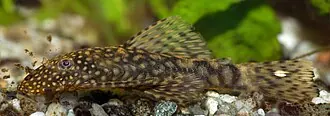
Hardy armoured catfish that grazes on algae. Peaceful with virtually all species; tolerates a wide temperature range.
→ Full Bristlenose Pleco care guide
Pygmy Corydoras — Corydoras pygmaeus
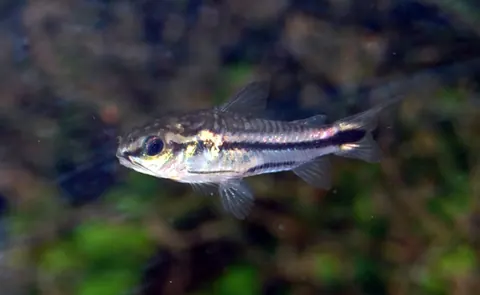
Tiny armoured catfish that school in open water as well as on the substrate. Peaceful with all non-aggressive species.
Frequently Asked Questions
Can Bristlenose Pleco live with Pygmy Corydoras?
Yes, in a well-planned setup. Bristlenose Pleco and Pygmy Corydoras can generally share an aquarium with appropriate planning. Both species prefer overlapping temperature and pH ranges. Both species are peaceful, and neither poses a major aggression risk to the other. A minimum 75-gallon tank is recommended to provide adequate territory and water volume for both species.
What tank size do I need for Bristlenose Pleco and Pygmy Corydoras together?
A minimum of 75 gallons is recommended for keeping Bristlenose Pleco and Pygmy Corydoras together. A larger tank improves water stability and reduces territorial conflict.
What temperature suits both Bristlenose Pleco and Pygmy Corydoras?
72–79°F — inside Bristlenose Pleco's 60–80°F and Pygmy Corydoras's 72–79°F.
Is a Bristlenose Pleco aggressive toward a Pygmy Corydoras?
Bristlenose Pleco is peaceful and Pygmy Corydoras is peaceful. No major aggression issues are expected between these species.
Related Compatibility Guides
Tank Size for Bristlenose Pleco and Pygmy Corydoras
Use the scenario that matches the actual group sizes and temperament you plan to keep.
| Scenario | Tank | When it applies |
|---|---|---|
| Minimum viable | 75 gal | Only for the recommended minimum groups, mature filtration, and close monitoring. |
| Recommended community | 125 gal | Adds territory, swimming room, and a safer buffer for behavior. |
| Low-conflict setup | 150 gal | Best when keeping larger schools or reducing territorial pressure. |