Green Terror Cichlid and Percula Clownfish Compatibility Overview
Green Terror Cichlid and Percula Clownfish are generally not recommended to be housed together. One of these is a marine species and the other is not; they cannot share one aquarium. The adult size gap creates a meaningful predation risk. Review the behavior and water details before deciding whether to attempt the pairing.
| Factor | Green Terror Cichlid | Percula Clownfish | Verdict |
|---|---|---|---|
| Temperature | 68–75°F | 74–82°F | ⚠️ 74–75°F (narrow) |
| pH Range | 6.5–8.0 | 8.1–8.4 | ❌ No overlap |
| Temperament | aggressive | semi | ❌ Risk |
| Adult Size | 11.8 in | 3.0 in | ⚠️ 3.9× difference |
| Min. Group | 1+ | 2+ | See below |
| Min. Tank Size | 100 gallons (for both species) | — | |
Compatibility Positives
Incompatibility Reasons
Species Profiles
Green Terror Cichlid — Andinoacara rivulatus
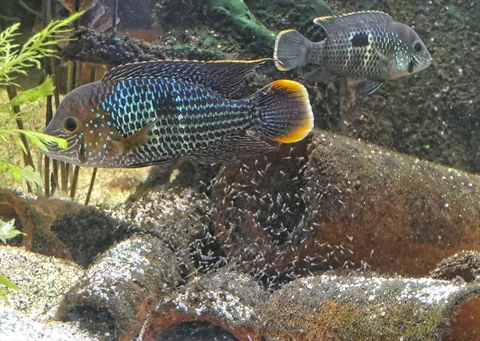
The Green Terror Cichlid is a popular choice for experienced aquarists due to its striking appearance and vibrant colors. They are known for their aggression and should be kept in a species-specific tank. Their tall, laterally compressed bodies and vivid coloration make them visually appealing but require careful handling due to their potentially aggressive…
→ Full Green Terror Cichlid care guide
Percula Clownfish — Amphiprion percula
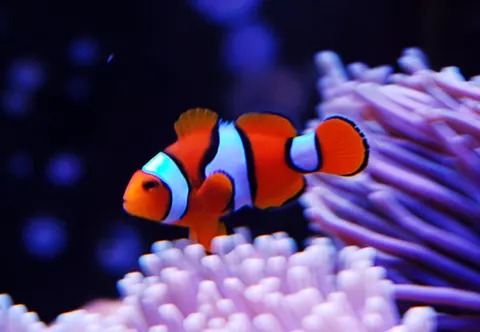
The Percula Clownfish, also known as the False Percula, is a popular beginner fish due to its hardiness and striking coloration. These fish are best kept in a saltwater tank with a minimum size of 30 gallons and compatible tankmates. They are peaceful, non-aggressive and do well in groups with other compatible species.
Frequently Asked Questions
Can Green Terror Cichlid live with Percula Clownfish?
Generally not recommended. Green Terror Cichlid and Percula Clownfish are generally not recommended to be housed together. One of these is a marine species and the other is not; they cannot share one aquarium. The adult size gap creates a meaningful predation risk. Review the behavior and water details before deciding whether to attempt the pairing.
What tank size do I need for Green Terror Cichlid and Percula Clownfish together?
A minimum of 100 gallons is recommended for keeping Green Terror Cichlid and Percula Clownfish together. A larger tank improves water stability and reduces territorial conflict.
What temperature suits both Green Terror Cichlid and Percula Clownfish?
74–75°F (narrow) — inside Green Terror Cichlid's 68–75°F and Percula Clownfish's 74–82°F.
Is a Green Terror Cichlid aggressive toward a Percula Clownfish?
The adult size gap creates a meaningful predation risk.
Related Compatibility Guides
Tank Size for Green Terror Cichlid and Percula Clownfish
Use the scenario that matches the actual group sizes and temperament you plan to keep.
| Scenario | Tank | When it applies |
|---|---|---|
| Minimum viable | 100 gal | Only for the recommended minimum groups, mature filtration, and close monitoring. |
| Recommended community | 150 gal | Adds territory, swimming room, and a safer buffer for behavior. |
| Low-conflict setup | 180 gal | Best when keeping larger schools or reducing territorial pressure. |