Frontosa Cichlid and Pea Puffer Compatibility Overview
Frontosa Cichlid and Pea Puffer are generally not recommended to be housed together. The adult size gap creates a meaningful predation risk. Their usable pH overlap is narrow and requires stable, tested water. Review the behavior and water details before deciding whether to attempt the pairing.
| Factor | Frontosa Cichlid | Pea Puffer | Verdict |
|---|---|---|---|
| Temperature | 73–81°F | 74–82°F | ✅ 74–81°F |
| pH Range | 8.0–9.0 | 7.0–8.0 | ⚠️ 8.0–8.0 (narrow) |
| Temperament | semi | semi | ⚠️ Monitor |
| Adult Size | 10.0 in | 1 in | ❌ 10× difference |
| Min. Group | 5+ | 1+ | See below |
| Min. Tank Size | 100 gallons (for both species) | — | |
Compatibility Positives
Incompatibility Reasons
Species Profiles
Frontosa Cichlid — Cyphotilapia frontosa
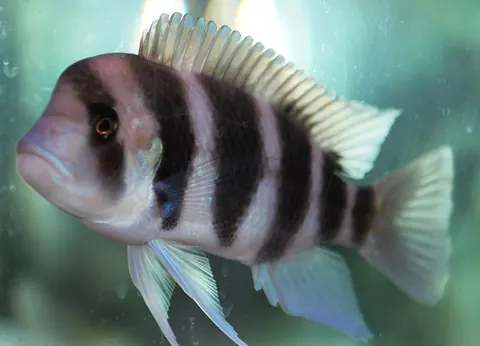
The Frontosa Cichlid is a popular aquarium fish known for its vibrant colors and peaceful demeanor. They are suitable for beginners and can thrive in a well-maintained community tank. Providing ample space and avoiding overcrowding is essential for their well-being.
→ Full Frontosa Cichlid care guide
Pea Puffer — Carinotetraodon travancoricus
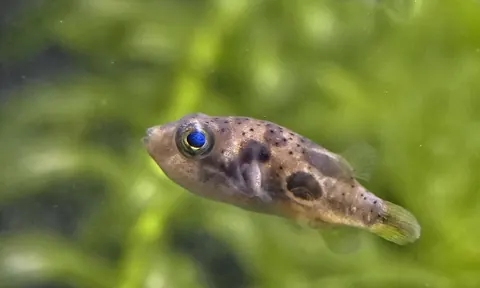
World's smallest pufferfish — intensely territorial and nippy despite tiny size. Will attack fins and eat shrimp and snails.
Frequently Asked Questions
Can Frontosa Cichlid live with Pea Puffer?
Generally not recommended. Frontosa Cichlid and Pea Puffer are generally not recommended to be housed together. The adult size gap creates a meaningful predation risk. Their usable pH overlap is narrow and requires stable, tested water. Review the behavior and water details before deciding whether to attempt the pairing.
What tank size do I need for Frontosa Cichlid and Pea Puffer together?
A minimum of 100 gallons is recommended for keeping Frontosa Cichlid and Pea Puffer together. A larger tank improves water stability and reduces territorial conflict.
What temperature suits both Frontosa Cichlid and Pea Puffer?
74–81°F — inside Frontosa Cichlid's 73–81°F and Pea Puffer's 74–82°F.
Is a Frontosa Cichlid aggressive toward a Pea Puffer?
The adult size gap creates a meaningful predation risk.
Related Compatibility Guides
Tank Size for Frontosa Cichlid and Pea Puffer
Use the scenario that matches the actual group sizes and temperament you plan to keep.
| Scenario | Tank | When it applies |
|---|---|---|
| Minimum viable | 228 gal | Only for the recommended minimum groups, mature filtration, and close monitoring. |
| Recommended community | 350 gal | Adds territory, swimming room, and a safer buffer for behavior. |
| Low-conflict setup | 450 gal | Best when keeping larger schools or reducing territorial pressure. |