Discus and Keyhole Cichlid Compatibility Overview
Discus and Keyhole Cichlid can potentially coexist, but the combination requires careful attention. Their ranges meet only at 82–82°F, which leaves no margin for a heater drifting or a warm room. A larger tank (minimum 100 gallons), dense planting, and close monitoring are essential.
| Factor | Discus | Keyhole Cichlid | Verdict |
|---|---|---|---|
| Temperature | 82–88°F | 70–82°F | ⚠️ 82–82°F (narrow) |
| pH Range | 5.0–7.0 | 4.0–7.5 | ✅ 5.0–7.0 |
| Temperament | semi | peaceful | ⚠️ Monitor |
| Adult Size | 8 in | 4.3 in | ✅ Similar |
| Min. Group | 5+ | 2+ | See below |
| Min. Tank Size | 100 gallons (for both species) | — | |
Compatibility Positives
Caution Points
Species Profiles
Discus — Symphysodon spp.
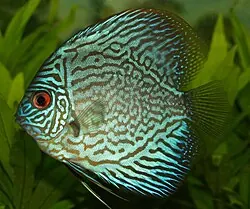
The 'king of the aquarium' — beautiful but demanding. Requires very warm, soft, acidic water that excludes most community fish.
Keyhole Cichlid — Cleithracara maronii
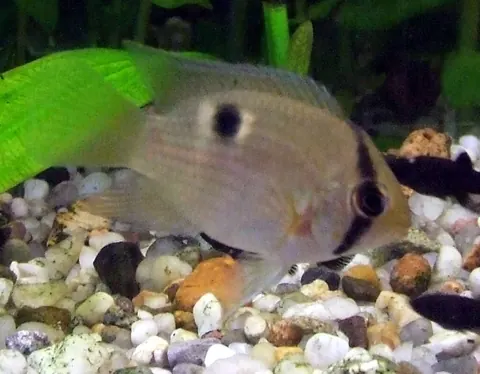
The Keyhole Cichlid is a popular choice for beginners due to its relatively easy care and peaceful temperament. These fish are known for their distinct keyhole marking and vibrant coloration. They do well in a community tank with other peaceful species, but should be provided with plenty of hiding spots to feel secure.
Frequently Asked Questions
Can Discus live with Keyhole Cichlid?
With significant caution and a larger tank. Discus and Keyhole Cichlid can potentially coexist, but the combination requires careful attention. Their ranges meet only at 82–82°F, which leaves no margin for a heater drifting or a warm room. A larger tank (minimum 100 gallons), dense planting, and close monitoring are essential.
What tank size do I need for Discus and Keyhole Cichlid together?
A minimum of 100 gallons is recommended for keeping Discus and Keyhole Cichlid together. A larger tank improves water stability and reduces territorial conflict.
What temperature suits both Discus and Keyhole Cichlid?
82–82°F (narrow) — inside Discus's 82–88°F and Keyhole Cichlid's 70–82°F.
Is a Discus aggressive toward a Keyhole Cichlid?
Discus is semi and Keyhole Cichlid is peaceful. No major aggression issues are expected between these species.
Related Compatibility Guides
Tank Size for Discus and Keyhole Cichlid
Use the scenario that matches the actual group sizes and temperament you plan to keep.
| Scenario | Tank | When it applies |
|---|---|---|
| Minimum viable | 100 gal | Only for the recommended minimum groups, mature filtration, and close monitoring. |
| Recommended community | 150 gal | Adds territory, swimming room, and a safer buffer for behavior. |
| Low-conflict setup | 220 gal | Best when keeping larger schools or reducing territorial pressure. |