Clown Loach and Peacock Cichlid Compatibility Overview
Clown Loach and Peacock Cichlid can potentially coexist, but the combination requires careful attention. Their usable pH overlap is narrow and requires stable, tested water. A larger tank (minimum 100 gallons), dense planting, and close monitoring are essential.
| Factor | Clown Loach | Peacock Cichlid | Verdict |
|---|---|---|---|
| Temperature | 77–86°F | 73–84°F | ✅ 77–84°F |
| pH Range | 6.0–7.5 | 7.5–9.0 | ⚠️ 7.5–7.5 (narrow) |
| Temperament | peaceful | semi | ⚠️ Monitor |
| Adult Size | 12 in | 5.1 in | ⚠️ 2.4× difference |
| Min. Group | 5+ | 4+ | See below |
| Min. Tank Size | 100 gallons (for both species) | — | |
Compatibility Positives
Caution Points
Species Profiles
Clown Loach — Chromobotia macracanthus
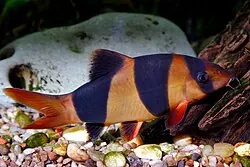
Striking striped loach that grows very large. Peaceful with fish but will eat shrimp, snails and tiny fish.
Peacock Cichlid — Aulonocara stuartgranti
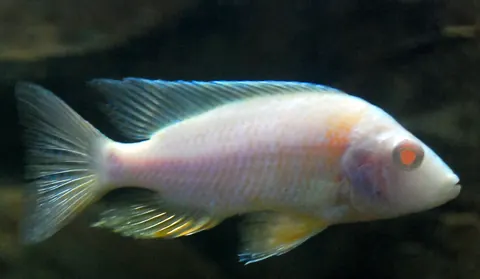
The Peacock Cichlid, Aulonocara nyassae, is a stunning fish with vibrant blue and yellow colors. These fish are known for their aggression and require a mature and well-maintained tank. They are best kept in pairs or in a species-specific tank. Careful attention must be given to water parameters and tank setup to ensure their health and well-being.
Frequently Asked Questions
Can Clown Loach live with Peacock Cichlid?
With significant caution and a larger tank. Clown Loach and Peacock Cichlid can potentially coexist, but the combination requires careful attention. Their usable pH overlap is narrow and requires stable, tested water. A larger tank (minimum 100 gallons), dense planting, and close monitoring are essential.
What tank size do I need for Clown Loach and Peacock Cichlid together?
A minimum of 100 gallons is recommended for keeping Clown Loach and Peacock Cichlid together. A larger tank improves water stability and reduces territorial conflict.
What temperature suits both Clown Loach and Peacock Cichlid?
77–84°F — inside Clown Loach's 77–86°F and Peacock Cichlid's 73–84°F.
Is a Clown Loach aggressive toward a Peacock Cichlid?
Clown Loach is peaceful and Peacock Cichlid is semi. No major aggression issues are expected between these species.
Related Compatibility Guides
Tank Size for Clown Loach and Peacock Cichlid
Use the scenario that matches the actual group sizes and temperament you plan to keep.
| Scenario | Tank | When it applies |
|---|---|---|
| Minimum viable | 100 gal | Only for the recommended minimum groups, mature filtration, and close monitoring. |
| Recommended community | 150 gal | Adds territory, swimming room, and a safer buffer for behavior. |
| Low-conflict setup | 220 gal | Best when keeping larger schools or reducing territorial pressure. |