Angelfish and Fire Eel Compatibility Overview
Angelfish and Fire Eel are generally not recommended to be housed together. The adult size gap creates a meaningful predation risk. Both are semi, so give them a larger, well-planted tank and watch how they settle in. Review the behavior and water details before deciding whether to attempt the pairing.
| Factor | Angelfish | Fire Eel | Verdict |
|---|---|---|---|
| Temperature | 74–84°F | 75–82°F | ✅ 75–82°F |
| pH Range | 6.0–7.5 | 6.0–7.0 | ✅ 6.0–7.0 |
| Temperament | semi | semi | ⚠️ Monitor |
| Adult Size | 6 in | 39.4 in | ❌ 7× difference |
| Min. Group | 1+ | 1+ | See below |
| Min. Tank Size | 100 gallons (for both species) | — | |
Compatibility Positives
Incompatibility Reasons
Species Profiles
Angelfish — Pterophyllum scalare
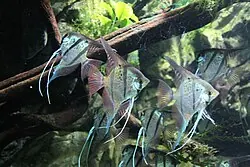
Elegant South American cichlids with long flowing fins. Generally peaceful but territorial when breeding and will eat very small fish.
Fire Eel — Mastacembelus erythrotaenia
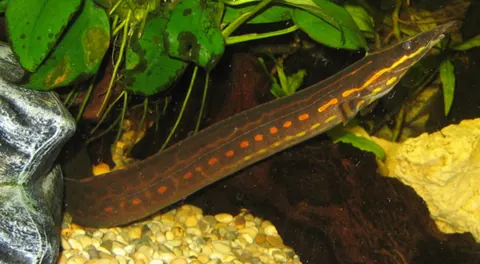
The Fire Eel is a stunning, red-bottomed species that requires a spacious tank. They are peaceful bottom feeders and do best in a well-planted, mature aquarium. With a moderate activity level, they can be a great addition to a community tank, but their size and diet may be incompatible with smaller fish.
Frequently Asked Questions
Can Angelfish live with Fire Eel?
Generally not recommended. Angelfish and Fire Eel are generally not recommended to be housed together. The adult size gap creates a meaningful predation risk. Both are semi, so give them a larger, well-planted tank and watch how they settle in. Review the behavior and water details before deciding whether to attempt the pairing.
What tank size do I need for Angelfish and Fire Eel together?
A minimum of 100 gallons is recommended for keeping Angelfish and Fire Eel together. A larger tank improves water stability and reduces territorial conflict.
What temperature suits both Angelfish and Fire Eel?
75–82°F — inside Angelfish's 74–84°F and Fire Eel's 75–82°F.
Is a Angelfish aggressive toward a Fire Eel?
The adult size gap creates a meaningful predation risk.
Related Compatibility Guides
Tank Size for Angelfish and Fire Eel
Use the scenario that matches the actual group sizes and temperament you plan to keep.
| Scenario | Tank | When it applies |
|---|---|---|
| Minimum viable | 114 gal | Only for the recommended minimum groups, mature filtration, and close monitoring. |
| Recommended community | 180 gal | Adds territory, swimming room, and a safer buffer for behavior. |
| Low-conflict setup | 220 gal | Best when keeping larger schools or reducing territorial pressure. |